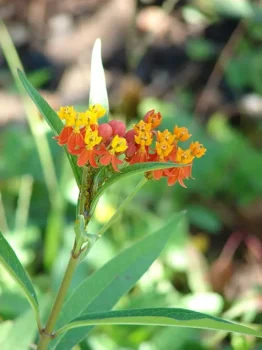
Bloodflower: A Vibrant Milkweed That Brings Butterflies to Your Garden
If you’re looking to create a butterfly magnet in your garden, bloodflower (Asclepias curassavica) might catch your eye with its stunning orange and red blooms. This eye-catching milkweed has become a popular choice for gardeners who want to support pollinators, particularly monarch butterflies. But before you add this beauty to your landscape, let’s explore what makes this plant special and whether it’s the right fit for your garden.
What Makes Bloodflower Special?
Bloodflower is a compact perennial that typically stays under 1.5 feet tall, making it perfect for borders, containers, or as an accent plant. Its vibrant orange petals with bright red centers and yellow accents create a tropical look that blooms almost year-round in warm climates. The flowers cluster at the top of sturdy stems, creating a crown-like display that’s simply irresistible to butterflies and hummingbirds.
Native Status and Distribution
Here’s something important to know: bloodflower isn’t native to the United States. Originally from South America, Central America, and parts of the Caribbean, this milkweed has naturalized in several U.S. states including California, Florida, Hawaii, Louisiana, Tennessee, and Texas, as well as in Puerto Rico, the U.S. Virgin Islands, and Pacific territories.
- Species observed
- No observations
While it’s established itself successfully in these warm regions, reproducing on its own in the wild, it’s worth considering native milkweed alternatives that provide similar benefits while supporting local ecosystems.
Garden Design and Landscape Role
Bloodflower shines in several garden settings:
- Butterfly and pollinator gardens as a centerpiece attraction
- Container gardens on patios and decks
- Border plantings for continuous color
- Tropical-themed landscapes
- Xeriscaped gardens due to its drought tolerance
Its compact size makes it ideal for smaller spaces, and unlike some of its taller milkweed cousins, it won’t overwhelm other plants in mixed plantings.
Pollinator and Wildlife Benefits
The real star power of bloodflower lies in its ability to attract wildlife. Monarch butterflies use it as both a nectar source and a host plant for their caterpillars. You’ll also see other butterfly species, bees, and hummingbirds visiting the flowers regularly. The continuous blooming habit means there’s always something for pollinators to enjoy.
Growing Conditions and Care
Good news for gardeners – bloodflower is remarkably easy to grow! Here’s what it needs to thrive:
Ideal Conditions
- Sunlight: Full sun (6+ hours daily)
- Soil: Well-draining soil of almost any type
- Water: Drought tolerant once established, but benefits from regular watering
- Climate: USDA zones 9-11; grown as annual in cooler areas
Wetland Adaptability
Bloodflower is quite flexible when it comes to moisture conditions. Depending on your region, it can handle both wetland and non-wetland conditions, though in Hawaii it typically prefers drier, upland sites. This adaptability makes it suitable for various garden situations.
Planting and Care Tips
Starting bloodflower is straightforward:
- Plant seeds directly in the garden after the last frost
- Space plants 12-18 inches apart
- Water regularly until established, then reduce frequency
- Deadhead spent flowers to encourage more blooms
- In frost-prone areas, treat as an annual or bring containers indoors
- Be prepared for self-seeding – this plant can spread on its own
A Word About Native Alternatives
While bloodflower is a beautiful and beneficial plant, consider exploring native milkweed species in your area first. Native plants like swamp milkweed (Asclepias speciosa), butterfly weed (Asclepias tuberosa), or common milkweed (Asclepias syriaca) offer similar monarch butterfly benefits while supporting your local ecosystem more completely.
The Bottom Line
Bloodflower can be a wonderful addition to pollinator-friendly gardens, especially in warm climates where it thrives year-round. Its compact size, continuous blooms, and butterfly-attracting power make it a solid choice for gardeners who want reliable color and wildlife activity. Just remember to plant responsibly and consider native alternatives that might serve your local ecosystem even better. Whether you choose bloodflower or a native cousin, you’ll be doing monarchs and other pollinators a tremendous favor!