Bloodtwig Dogwood: A European Beauty with Year-Round Appeal
If you’ve ever admired a shrub that seems to glow with fiery red stems in the depths of winter, you might have been looking at a bloodtwig dogwood (Cornus sanguinea). This European native has found its way into American gardens, and it’s easy to see why gardeners are drawn to its dramatic seasonal display.
What is Bloodtwig Dogwood?
Bloodtwig dogwood goes by several names – you might hear it called common dogwood, dogberry, or pegwood. This perennial shrub typically grows as a multi-stemmed woody plant, usually staying under 13-16 feet tall, though it can sometimes stretch taller under the right conditions. What makes it special is its ability to put on a show in every season.
Originally from Europe and western Asia, this non-native species has established itself in parts of the United States, particularly in Massachusetts, Pennsylvania, and Washington, where it reproduces on its own in the wild.
- Species observed
- No observations
Why Gardeners Love (and Sometimes Question) This Dogwood
The bloodtwig dogwood’s claim to fame is its stunning winter display. When most of the garden has gone dormant, this shrub’s young stems turn brilliant shades of red and purple, creating a striking contrast against snow or gray winter skies. But that’s not all it offers:
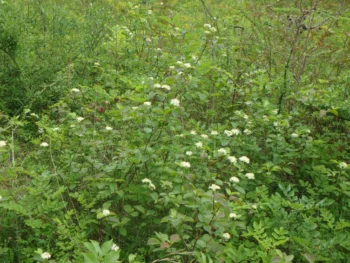
- Spring flowers: Clusters of small, creamy-white blooms that attract bees and other pollinators
- Summer foliage: Dense green leaves that provide good coverage
- Fall color: Leaves turn beautiful shades of yellow and orange before dropping
- Winter berries: Dark purple-black berries that birds appreciate
However, since this is a non-native species, some gardeners prefer to stick with native alternatives that better support local ecosystems.
Growing Bloodtwig Dogwood Successfully
The good news is that bloodtwig dogwood is pretty easygoing. It’s hardy in USDA zones 4-7, making it suitable for much of the northern United States.
Ideal Growing Conditions
- Light: Full sun to partial shade (more sun means better stem color)
- Soil: Tolerates various soil types but prefers moist, well-draining soil
- Water: Moderate moisture needs; somewhat drought-tolerant once established
- Space: Give it room to spread, as mature plants can get quite wide
Planting and Care Tips
Plant in spring or fall, digging a hole twice as wide as the root ball. Water regularly the first year to help it establish. The best part about bloodtwig dogwood is that it’s wonderfully low-maintenance once settled in.
For the most dramatic winter stem color, prune about one-third of the oldest stems back to ground level in late winter. This encourages fresh, young growth that produces the brightest red coloration. You can also coppice the entire shrub every few years if you want maximum color impact.
Garden Design Ideas
Bloodtwig dogwood works beautifully in informal garden settings and naturalized landscapes. It’s perfect for:
- Creating winter interest in mixed shrub borders
- Providing structure in wildlife gardens
- Adding seasonal drama to rain gardens or areas with occasional moisture
- Creating privacy screens (though it will be deciduous)
Consider Native Alternatives
While bloodtwig dogwood can be a lovely addition to the right garden, you might also consider native dogwood species that provide similar benefits while supporting local wildlife more effectively. Red-osier dogwood (Cornus sericea) offers similar red winter stems and is native to much of North America. Gray dogwood (Cornus racemosa) is another excellent native choice with white berries that birds adore.
The Bottom Line
Bloodtwig dogwood can be a stunning addition to gardens where you want reliable year-round interest and don’t mind growing a non-native species. Its low-maintenance nature and spectacular winter display make it appealing to many gardeners. Just remember to consider how it fits into your overall garden philosophy – whether you’re comfortable with non-native plants or prefer to stick with species that evolved alongside local wildlife.
Whatever you choose, your winter garden will thank you for adding some colorful stems to brighten those gray months!