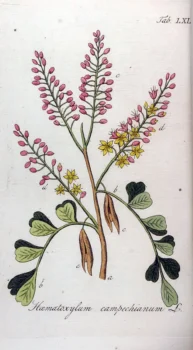
Bloodwood Tree: A Thorny Beauty with Historic Charm
Meet the bloodwood tree (Haematoxylum campechianum), a fascinating shrub with a name that sounds like it belongs in a vampire novel! Don’t let the dramatic moniker fool you – this thorny character has been quietly making itself at home in tropical American gardens for generations, bringing both beauty and a touch of historical intrigue to the landscape.
What Is a Bloodwood Tree?
The bloodwood tree is a perennial shrub that typically grows as a multi-stemmed woody plant, usually reaching heights of 13 to 16 feet, though it can sometimes grow taller or develop a single trunk depending on growing conditions. Despite its common name suggesting otherwise, this plant gets its bloodwood title from the striking reddish heartwood hidden within its thorny exterior.
Originally hailing from Central America and southern Mexico’s Yucatan Peninsula, this adaptable plant has found new homes in Hawaii, Puerto Rico, and the U.S. Virgin Islands, where it reproduces naturally and has become part of the local landscape tapestry.
- Species observed
- No observations
Why Consider (or Skip) the Bloodwood Tree?
Here’s the scoop on whether this thorny fellow deserves a spot in your garden:
The Appeal
- Drought champion: Once established, it laughs in the face of dry spells
- Salt tolerance: Perfect for coastal gardens where salt spray is a concern
- Pollinator magnet: Small yellow flowers attract bees and other beneficial insects
- Low maintenance: Minimal care required once it settles in
- Historical significance: The heartwood was once highly prized for producing red dye
The Considerations
- Thorny personality: Those spines mean careful placement away from walkways
- Non-native status: While not invasive, it’s not supporting local ecosystems like native plants would
- Limited cold tolerance: Only suitable for USDA zones 10-12
Growing Your Bloodwood Tree Successfully
If you’ve decided this thorny character fits your garden vision, here’s how to keep it happy:
Location and Soil
Plant your bloodwood tree in a spot that gets full sun – it absolutely loves basking in bright light all day long. The soil should drain well because, while drought-tolerant, it doesn’t appreciate soggy feet. Sandy or rocky soils work beautifully, making it perfect for challenging garden spots where other plants might struggle.
Planting and Care
Once planted, your bloodwood tree becomes remarkably self-sufficient. Water regularly during the first growing season to help establish a strong root system, then gradually reduce watering. Mature plants need minimal irrigation and actually prefer drier conditions.
Pruning can help manage the thorny branches and maintain shape, but wear thick gloves – those spines are no joke! The growth rate is slow to moderate, so patience is key as your tree develops its character.
Climate Requirements
This tropical native thrives in USDA hardiness zones 10-12, where temperatures rarely dip below freezing. It’s perfectly at home in coastal areas and can handle the salt spray that would damage many other plants.
Garden Design Ideas
The bloodwood tree works wonderfully as a specimen plant where its unique form can be appreciated, or it can be used to create natural barriers thanks to its thorny nature. Consider it for xerophytic landscapes, coastal gardens, or anywhere you want to add tropical character with minimal water requirements.
Supporting Native Ecosystems
While the bloodwood tree isn’t problematic, consider complementing it with native alternatives that better support local wildlife. In Hawaii, native plants like ‘ohi’a lehua or native hibiscus provide similar ornamental value while supporting indigenous pollinators and birds. In Caribbean locations, native species like bay rum tree or native frangipani offer beautiful alternatives that connect your garden to the local ecosystem.
The bloodwood tree can be a charming addition to tropical gardens, especially for gardeners who appreciate plants with stories to tell. Just remember to place it thoughtfully, respect those thorns, and consider balancing your landscape with native species that give back to local wildlife. After all, the best gardens are those that are both beautiful and ecologically mindful!