Blue Daisy: A Cheerful South African Beauty for Your Garden
If you’re looking for a plant that delivers non-stop color with minimal fuss, meet the blue daisy (Felicia amelloides)! This charming South African native has won hearts worldwide with its adorable daisy-like blooms and easygoing nature. Also known as blue marguerite, this little powerhouse might just become your new favorite garden companion.
What Makes Blue Daisy Special?
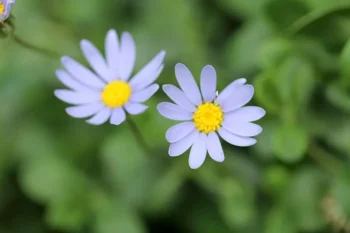
Blue daisy is a delightful perennial that produces masses of small, bright blue flowers with sunny yellow centers. The blooms are about an inch across and appear almost year-round in mild climates, creating a carpet of cheerful color that’s hard to resist. The plant forms a low, spreading mound with small, green leaves that provide the perfect backdrop for those eye-catching flowers.
Where Does Blue Daisy Come From?
This beautiful plant calls the Cape region of South Africa home, where it grows naturally in Mediterranean-like conditions. Since it’s not native to North America, gardeners here are essentially adopting an international friend into their landscapes.
Growing Blue Daisy: The Basics
One of the best things about blue daisy is how forgiving it is! Here’s what you need to know:
- Size: Grows 12-18 inches tall and spreads 18-24 inches wide
- Growth rate: Moderate to fast-growing
- USDA Hardiness Zones: 9-11 (it’s frost-tender, so colder climate gardeners should treat it as an annual)
- Sun requirements: Full sun (6+ hours daily)
- Soil needs: Well-draining soil is essential – it doesn’t like wet feet!
Perfect Garden Roles
Blue daisy is incredibly versatile and fits beautifully into several garden styles:
- Mediterranean and drought-tolerant gardens
- Coastal landscapes (it handles salt spray well)
- Rock gardens and xeriscaping
- Container gardens and hanging baskets
- Border plantings and ground cover
Planting and Care Tips
Getting blue daisy established is refreshingly straightforward:
- Planting: Plant after the last frost in well-draining soil
- Watering: Water regularly until established, then reduce frequency – it’s quite drought tolerant
- Deadheading: Remove spent flowers regularly to encourage continuous blooming
- Fertilizing: Light feeding during growing season, but don’t overdo it
- Winter care: In zones 8 and below, treat as an annual or bring containers indoors
Wildlife and Pollinator Benefits
Blue daisy is a pollinator magnet! Bees and butterflies absolutely love the abundant nectar-rich flowers. The long blooming period provides a reliable food source throughout much of the growing season, making it a valuable addition to pollinator-friendly gardens.
Should You Plant Blue Daisy?
Blue daisy makes an excellent choice for gardeners who want reliable color with minimal maintenance. It’s particularly perfect for those dealing with challenging conditions like poor soil, drought, or coastal environments. However, since it’s not native to North America, you might also consider supporting local ecosystems by incorporating native alternatives alongside it.
Some beautiful native alternatives to consider include native asters like aromatic aster (Symphyotrichum oblongifolium) or fall-blooming asters that provide similar daisy-like flowers and excellent pollinator value.
The Bottom Line
Blue daisy brings reliable charm and color to gardens with its endless parade of cheerful blooms. While it may not be native, it’s a well-behaved garden citizen that won’t take over your landscape. If you’re drawn to its sunny disposition and easy care requirements, go ahead and give it a try – just remember to balance your garden with native plants too. Your local pollinators will thank you for the diverse buffet!