Blue Plantain Lily: A Shade Garden Workhorse Worth Considering
If you’ve ever wandered through a shaded garden and admired those bold, sculptural leaves that seem to glow in the dappled light, chances are you were looking at a blue plantain lily (Hosta ventricosa). This perennial powerhouse has been winning over gardeners for decades with its stunning foliage and surprisingly lovely flowers.
What Makes Blue Plantain Lily Special?
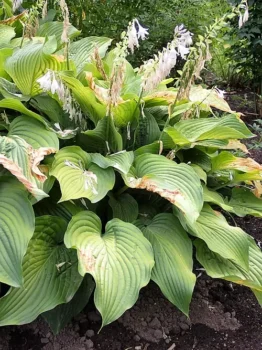
Blue plantain lily stands out in the hosta world with its distinctive heart-shaped leaves that showcase a beautiful blue-green color with prominent veining. But don’t let the name fool you – this plant offers more than just foliage. In mid to late summer, it sends up impressive flower spikes that can reach 3-4 feet tall, adorned with tubular purple blooms that add vertical interest to your garden.
As a perennial forb (that’s garden-speak for a non-woody plant that comes back year after year), this hosta forms substantial clumps that can reach 2-3 feet wide and equally tall, making it an excellent choice for filling those tricky shaded spots.
Where Does It Come From?
Originally hailing from eastern Asia, including China, Korea, and Japan, blue plantain lily has made itself quite at home in North American gardens. It’s now established in sixteen eastern states, from Connecticut down to North Carolina and west to Michigan and Kentucky. While it’s not native to our continent, it has naturalized in many areas and reproduces on its own in the wild.
- Species observed
- No observations
Why You Might Want to Plant It
There are several compelling reasons to consider adding blue plantain lily to your garden:
- Shade tolerance: Thrives in partial to full shade where many other plants struggle
- Low maintenance: Once established, it’s relatively drought tolerant and disease resistant
- Pollinator friendly: The summer flowers attract bees and even hummingbirds
- Long-lasting: Can live for decades with minimal care
- Versatile design element: Works well in woodland gardens, borders, or as a specimen plant
Growing Blue Plantain Lily Successfully
The good news is that blue plantain lily is fairly forgiving, but giving it the right conditions will help it truly shine:
Climate: Hardy in USDA zones 3-9, so it can handle both cold winters and warm summers across most of the country.
Light requirements: Prefers partial to full shade. While it can tolerate some morning sun, too much direct sunlight will fade those beautiful blue-green leaves.
Soil needs: Loves rich, well-draining soil with plenty of organic matter. Think woodland floor conditions – moist but not waterlogged.
Watering: Regular watering during dry spells, especially in the first year. Once established, it’s more drought tolerant but still appreciates consistent moisture.
Planting and Care Tips
Plant blue plantain lily in spring after the last frost. Dig a hole twice as wide as the root ball and amend the soil with compost or well-rotted manure. Space plants 3-4 feet apart to allow for their mature spread.
Annual care is minimal but beneficial:
- Apply a 2-3 inch layer of mulch around plants to retain moisture and suppress weeds
- Remove spent flower stalks unless you want to collect seeds
- Divide clumps every 3-4 years in early spring to maintain vigor
- Watch for slugs and snails, which can be the main pest problem
Design Ideas and Garden Roles
Blue plantain lily works beautifully in various garden settings. Use it as a foundation planting under trees, create dramatic sweeps in woodland gardens, or plant it alongside ferns and wild ginger for a lush, textural display. The bold foliage provides excellent contrast to fine-textured plants and serves as a living mulch that suppresses weeds.
A Note on Native Alternatives
While blue plantain lily isn’t native to North America, it’s not considered invasive either. However, if you’re specifically looking to support native ecosystems, consider alternatives like wild ginger (Asarum canadense), mayapple (Podophyllum peltatum), or various native ferns that can provide similar shade garden structure with the added benefit of supporting local wildlife.
Whether you choose blue plantain lily or a native alternative, you’ll be adding a reliable, beautiful performer to your shade garden that will provide years of enjoyment with minimal fuss.