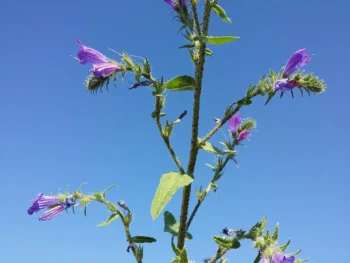
Bluedevil: A Tough Mediterranean Beauty for Your Garden
If you’re looking for a low-maintenance flowering plant that can handle tough conditions, you might want to get acquainted with bluedevil (Echium pustulatum). This interesting biennial has been quietly making its home in parts of the United States, bringing Mediterranean charm to gardens and wild spaces alike.
What Exactly is Bluedevil?
Bluedevil is a non-native biennial forb that originally hails from the Mediterranean region. As a biennial, it has a two-year life cycle – spending its first year developing a strong root system and foliage, then blooming spectacularly in its second year before setting seed. Don’t let the somewhat ominous common name fool you; this plant is more angel than devil in the garden world.
Botanically known as Echium pustulatum, it’s sometimes confused with its more common cousin, viper’s bugloss. The plant belongs to the borage family and shares many characteristics with other members of this diverse plant group.
Where You’ll Find Bluedevil Growing
In the United States, bluedevil has established itself in several eastern states, including Pennsylvania, Virginia, West Virginia, Kentucky, Indiana, Massachusetts, New Jersey, and even the District of Columbia. It tends to pop up in disturbed soils, roadsides, and open areas where it can get plenty of sunshine.
- Species observed
- No observations
What Makes Bluedevil Special?
The real showstopper with bluedevil is its flowering display. In late spring through summer, the plant produces striking spikes of bright blue, funnel-shaped flowers that seem to glow against the plant’s rough, hairy foliage. These flower spikes can create quite a spectacle, especially when planted in groups.
The plant typically grows as a rosette in its first year, then sends up flowering stalks that can reach 2-3 feet tall in the second year. The entire plant has a somewhat wild, untamed appearance that works beautifully in naturalistic garden settings.
Should You Grow Bluedevil?
Here’s where things get interesting. While bluedevil isn’t currently listed as invasive or noxious, it is a non-native species that can self-seed readily. This means it might spread beyond where you originally planted it. For gardeners who appreciate this kind of naturalistic, self-sustaining beauty, that’s actually a bonus. For those who prefer more controlled plantings, it might require some management.
Pollinator Paradise
One of bluedevil’s strongest selling points is its value to pollinators. The nectar-rich flowers are absolute magnets for bees, butterflies, and other beneficial insects. If you’re trying to create a pollinator-friendly garden, this plant definitely delivers on that front.
Perfect Growing Conditions
Bluedevil is refreshingly easy-going when it comes to growing conditions:
- Sunlight: Full sun is best, though it can tolerate some light shade
- Soil: Well-draining soil is essential – it actually prefers poor, sandy, or rocky soils
- Water: Drought tolerant once established; actually prefers drier conditions
- Hardiness: Thrives in USDA zones 4-8
How to Grow and Care for Bluedevil
Growing bluedevil is almost embarrassingly easy. Here’s how to get started:
- Starting from seed: Direct sow seeds in fall or early spring. Seeds need light to germinate, so just barely cover them with soil
- Spacing: Give plants about 12-18 inches of space
- Watering: Water regularly the first year to help establish roots, then cut back significantly
- Fertilizing: Skip the fertilizer – this plant actually performs better in poor soil
- Maintenance: Minimal care required; deadhead flowers if you want to prevent self-seeding
Garden Design Ideas
Bluedevil works beautifully in several garden settings:
- Cottage gardens and wildflower meadows
- Mediterranean or drought-tolerant landscapes
- Naturalized areas and prairie-style plantings
- Pollinator gardens
- Difficult sites with poor soil
Consider Native Alternatives
While bluedevil can be a lovely addition to the right garden, you might also consider these native alternatives that offer similar benefits:
- Wild bergamot (Monarda fistulosa) for pollinator appeal
- Purple coneflower (Echinacea purpurea) for drought tolerance and wildlife value
- Wild lupine (Lupinus perennis) for blue flowers and tough growing conditions
The Bottom Line
Bluedevil is one of those plants that can be perfect for the right situation and gardener. If you love low-maintenance plants, appreciate naturalistic beauty, and want to support pollinators, it might be worth a try. Just keep in mind its potential to self-seed and be prepared to manage it if needed. As always, check with your local extension office about any concerns regarding non-native plants in your specific area.
Whether you choose bluedevil or opt for native alternatives, the most important thing is creating a garden that brings you joy while supporting local ecosystems. Happy gardening!