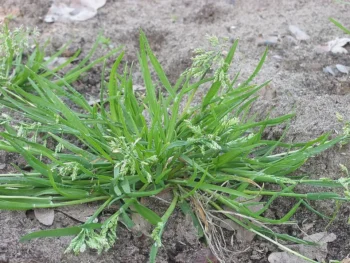
Bluegrass (Poa): Understanding This Widespread Grass Genus
If you’ve ever walked across a lawn or through a meadow, chances are you’ve encountered bluegrass. The genus Poa represents one of the largest groups of grasses in the world, with species found across nearly every continent. But before you consider adding bluegrass to your landscape, let’s explore what makes this grass tick and whether it’s the right choice for your garden.
What Exactly Is Bluegrass?
Bluegrass belongs to the grass family and includes both annual and perennial species. Despite its common name, don’t expect all bluegrasses to be blue – most display typical green to blue-green coloration. These fine-textured grasses are characterized by their grass-like growth habit and can range from small, delicate species to more robust varieties.
Where Does Bluegrass Grow?
Bluegrass has an impressively wide distribution across North America. You’ll find various species growing throughout the United States, from Alabama to Alaska, and across Canadian provinces from British Columbia to Newfoundland. The genus has also established itself in Puerto Rico and other territories.
- Species observed
- No observations
Native Status: It’s Complicated
Here’s where things get interesting – and a bit murky. The native status of Poa varies significantly by region and is often undefined or unclear. In some areas like the Pacific Basin and Puerto Rico, certain bluegrass species are considered non-native plants that have naturalized and reproduce on their own. This complex native status reflects the fact that Poa is a huge genus with different species having different origins and introduction histories.
Wildlife Value: A Mixed Bag
Bluegrass does provide some benefits to wildlife, though it’s not a superstar in this department:
- Water birds get the most benefit, with bluegrass making up 25-50% of their diet and providing regular cover
- Large animals use it moderately, comprising 5-10% of their diet but rarely for cover
- Small mammals and terrestrial birds use it sparingly, making up only 2-5% of their diets with minimal cover value
Should You Plant Bluegrass?
Given the unclear native status and the fact that Poa is such a broad genus, the answer isn’t straightforward. If you’re already finding bluegrass growing naturally on your property, there’s generally no need to remove it – it’s doing its job as a ground cover and providing some wildlife value.
However, if you’re planning new plantings and want to support local ecosystems, consider these native alternatives instead:
- Native bunch grasses specific to your region
- Buffalo grass in prairie areas
- Regional sedges for similar texture and function
Growing Conditions and Care
While specific growing requirements vary widely among the many species in the Poa genus, most bluegrasses are relatively low-maintenance once established. They’re adaptable to various conditions, which explains their widespread distribution. However, without knowing the specific species, it’s difficult to provide detailed growing advice.
The Bottom Line
Bluegrass is neither a villain nor a hero in the native plant world – it’s simply a widespread, adaptable grass genus that exists in a gray area of native plant gardening. If you’re passionate about supporting native ecosystems, focus your efforts on plants with clear native credentials for your specific region. But if bluegrass is already growing happily in your landscape, don’t stress about it. Sometimes the most sustainable choice is working with what’s already thriving in your garden.
Remember, successful native gardening is about understanding your local ecosystem and making informed choices that support both your gardening goals and local wildlife. When in doubt, consult with local native plant societies or extension services for guidance on the best grass options for your specific area.