Bluemink: A Colorful Non-Native Annual for Continuous Garden Color
If you’re looking for a plant that delivers non-stop blooms from spring until the first frost, bluemink (Ageratum houstonianum) might catch your eye. This cheerful little flowering plant has been a popular choice in American gardens for decades, bringing soft clouds of blue-purple flowers to beds and borders across the country.
What is Bluemink?
Bluemink is a non-native flowering plant originally from Central America, Mexico, and parts of South America. Despite its tropical origins, this adaptable plant has made itself at home in gardens throughout much of the United States. As a forb – essentially a soft-stemmed flowering plant without woody tissue – bluemink behaves as an annual in most climates, though it can act as a short-lived perennial in warmer zones.
Where Does Bluemink Grow?
Currently, you’ll find bluemink growing wild in several states across the country, including Alabama, Connecticut, Florida, Georgia, Hawaii, Massachusetts, North Carolina, and South Carolina. The plant has established itself in these areas and reproduces on its own without human intervention.
- Species observed
- No observations
What Does Bluemink Look Like?
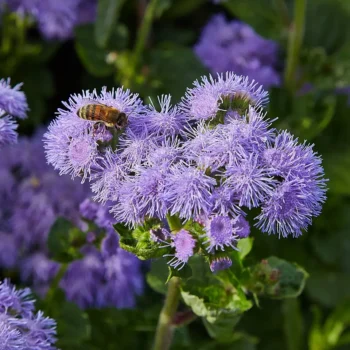
Picture small, fluffy pom-poms in shades of powder blue to soft lavender, and you’ve got a good mental image of bluemink flowers. These fuzzy flower clusters sit atop heart-shaped, slightly textured green leaves, creating a soft, cottage-garden appeal that many gardeners find irresistible. The plants typically stay compact, making them perfect for edging or filling in gaps in your garden design.
Why Gardeners Choose Bluemink
There are several reasons why bluemink has remained popular among gardeners:
- Continuous blooming from late spring through fall
- Attracts butterflies, bees, and other beneficial pollinators
- Thrives in heat and humidity
- Works well in containers, borders, and mass plantings
- Low-maintenance once established
- Provides that hard-to-find blue color in the garden
Growing Conditions and Care
Bluemink is refreshingly easy to please. Here’s what it needs to thrive:
- Light: Full sun to partial shade (at least 4-6 hours of direct sunlight)
- Soil: Well-draining soil of average fertility
- Water: Regular watering, but avoid soggy conditions
- Hardiness: Grown as an annual in USDA zones 2-11; may survive winter in zones 9-11
The plant prefers upland conditions rather than wet areas, making it suitable for most garden situations. Regular deadheading will keep the blooms coming, and a monthly dose of balanced fertilizer will keep the plants looking their best.
Planting and Propagation
You can start bluemink from seeds indoors about 6-8 weeks before your last frost date, or simply purchase transplants from your local garden center. The plants are quite forgiving and establish quickly once the weather warms up. Space them about 6-12 inches apart, depending on the variety size you’re growing.
A Note About Native Alternatives
While bluemink can be a lovely addition to gardens, it’s worth considering that it’s not native to North America. If you’re interested in supporting local ecosystems while still enjoying blue flowers, consider these native alternatives:
- Wild blue phlox (Phlox divaricata)
- Blue mistflower (Conoclinium coelestinum)
- Spiderwort (Tradescantia species)
- Wild lupine (Lupinus perennis)
The Bottom Line
Bluemink offers reliable color and pollinator appeal for gardeners who want a low-maintenance flowering annual. While it’s not native to our continent, it’s not currently listed as invasive either, making it a neutral choice for those seeking continuous garden color. Whether you choose bluemink or opt for native alternatives, the key is creating a garden that brings you joy while supporting the broader ecosystem around you.