Boatlily: A Striking Tropical Groundcover for Warm Climate Gardens
If you’re looking for a plant that makes a bold statement with minimal fuss, the boatlily (Tradescantia spathacea) might just catch your eye. This eye-catching perennial is beloved by gardeners for its dramatic foliage and easy-going nature, though it’s worth knowing a bit about its background before adding it to your landscape.
What Makes Boatlily Special?
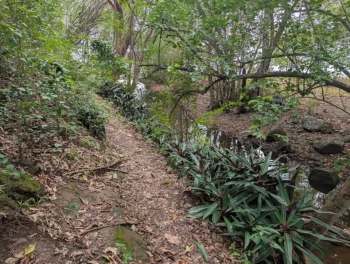
The boatlily earns its common name from the distinctive boat-shaped bracts that cradle its small white flowers. But the real showstopper is the foliage – sword-shaped leaves that are glossy green on top and rich purple underneath. This striking two-toned effect creates wonderful contrast in the garden, especially when the leaves catch the light or flutter in a breeze.
You might also encounter this plant under several other scientific names, as it’s been shuffled around botanically over the years. Synonyms include Rhoeo discolor, Rhoeo spathacea, Tradescantia bicolor, and Tradescantia discolor – all referring to the same distinctive plant.
Where Does Boatlily Come From?
Originally native to Mexico, Central America, and the Caribbean, boatlily has found its way into gardens across warmer regions of the United States. Today, you’ll find it growing in Florida, Hawaii, Louisiana, and several U.S. territories including Puerto Rico, the Virgin Islands, and Guam. It’s what botanists call a naturalized species – meaning it reproduces on its own in these areas without human help.
- Species observed
- No observations
Is Boatlily Right for Your Garden?
As a non-native plant, boatlily won’t provide the same ecological benefits as indigenous species. If supporting local wildlife is a priority, consider native alternatives that offer similar visual appeal while better serving pollinators and other creatures in your area. However, boatlily isn’t currently listed as invasive or problematic, so it can be a reasonable choice for gardeners who appreciate its unique aesthetics.
This herbaceous perennial works beautifully as:
- Groundcover in tropical and subtropical gardens
- Border plantings along walkways or garden beds
- Container specimens on patios or decks
- Indoor houseplants in cooler climates
Growing Conditions and Care
One of boatlily’s biggest selling points is how forgiving it can be. This plant typically thrives in USDA hardiness zones 9-12, though gardeners in cooler areas often grow it as a houseplant or bring containers indoors during winter.
For best results, provide:
- Bright, indirect light (too much direct sun can scorch the leaves)
- Well-draining soil that doesn’t stay soggy
- Moderate watering – let the soil dry slightly between waterings
- Warm, humid conditions when possible
Interestingly, boatlily’s relationship with water varies by location. In most regions, it’s considered an upland plant that rarely occurs in wetlands, but in Hawaii, it can tolerate somewhat wetter conditions. This adaptability contributes to its success as a garden plant.
Planting and Maintenance Tips
Getting started with boatlily is refreshingly simple. The plant propagates readily from offsets – those small plantlets that form around the base of the mother plant. Simply separate these and pot them up or plant them directly in the garden.
Once established, boatlily is quite drought tolerant, making it a good choice for low-maintenance landscapes. The main care requirements involve:
- Removing spent flowers to keep the plant looking tidy
- Dividing clumps every few years to prevent overcrowding
- Protecting from frost in borderline hardiness zones
- Watching for common houseplant pests if grown indoors
The Bottom Line
Boatlily offers gardeners an easy way to add tropical flair to their landscape with its stunning purple-and-green foliage and charming white flowers. While it won’t support native wildlife the way indigenous plants do, it’s a well-behaved addition to warm-climate gardens and makes an excellent houseplant for those in cooler areas. If you’re drawn to its unique appearance and appreciate low-maintenance plants, boatlily could be a great fit for your garden – just remember to consider native alternatives that might serve your local ecosystem even better.