Bog Bulrush: A Wetland Sedge for Water Gardens
If you’ve been dreaming of adding some vertical interest to your pond edge or rain garden, bog bulrush (Schoenoplectiella mucronata) might catch your eye. This perennial sedge brings a grass-like texture to wet areas, though as with any non-native plant, it’s worth understanding what you’re getting into before you dig in.
What Is Bog Bulrush?
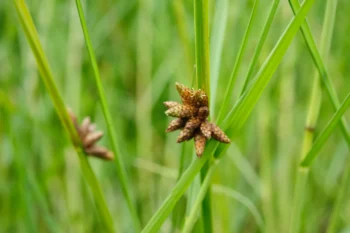
Bog bulrush is a perennial sedge that forms clumps of slender, upright stems. You might also see it listed under its older scientific names, Scirpus mucronatus or Schoenoplectus mucronatus – botanists love to keep us on our toes with name changes! As a member of the sedge family, it’s got that classic grass-like appearance that works beautifully in water features.
Where Does It Grow?
Originally hailing from Europe, Asia, and parts of Africa, bog bulrush has made itself at home across much of North America. You’ll find it established in states from California to New York, and even in Hawaii. It’s currently growing in New Brunswick, California, Connecticut, Delaware, Hawaii, Illinois, Iowa, Kentucky, Maryland, Missouri, New Jersey, New York, Ohio, Oregon, Pennsylvania, and Tennessee.
- Species observed
- No observations
The Non-Native Reality Check
Here’s the thing – bog bulrush isn’t native to North America. It’s what botanists call a naturalized species, meaning it reproduces on its own in the wild without human help. While it’s not currently flagged as invasive or noxious, it’s always worth considering native alternatives first. Think of it as being a polite houseguest rather than a troublemaker, but still a guest nonetheless.
Garden Appeal and Uses
Bog bulrush shines in wetland settings where it provides excellent vertical structure. It’s perfect for:
- Pond margins and water garden edges
- Rain gardens and bioswales
- Constructed wetlands
- Bog gardens
The plant forms dense clumps that create nice textural contrast against broader-leaved wetland plants. Its small brown flower clusters aren’t showy, but they add subtle interest and movement in the breeze.
Growing Conditions
As an obligate wetland plant, bog bulrush is quite specific about its needs – it almost always requires wet conditions to thrive. Here’s what makes it happy:
- Moisture: Consistently wet soil to standing water
- Light: Full sun to partial shade
- Hardiness: USDA zones 4-9
- Soil: Adaptable to various wet soil types
Planting and Care Tips
If you decide to give bog bulrush a try, spring planting works best. Make sure your planting site can maintain consistent moisture – this isn’t a plant that will forgive you for letting things dry out. Plan to divide clumps every 3-4 years to keep them from getting overcrowded and to maintain vigor.
Wildlife and Pollinator Value
Being wind-pollinated, bog bulrush doesn’t offer much in the way of nectar for pollinators. Its wildlife value is primarily structural, providing cover and nesting material in wetland areas.
Consider Native Alternatives
Before settling on bog bulrush, you might want to explore native sedges that could fill a similar role in your landscape. Native options often provide better wildlife value and support local ecosystems more effectively. Some great native sedge alternatives include species native to your specific region that offer similar growth habits and aesthetic appeal.
The Bottom Line
Bog bulrush can be a useful addition to water gardens and wetland areas, especially if you need a reliable, low-maintenance sedge for wet conditions. While it’s not native, it’s also not causing major ecological disruption. Just remember that choosing native alternatives when possible is always the more ecologically friendly option. Whether you go native or not, any plant that helps you create habitat and manage stormwater is a step in the right direction!