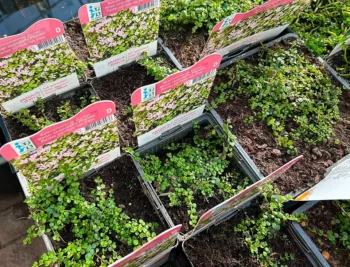
Bog Pimpernel: A Delicate Ground Cover for Your Water Garden
If you’ve been searching for a charming ground cover to carpet the soggy spots in your garden, bog pimpernel (Anagallis tenella) might catch your eye. This delicate perennial forb creates a soft mat of tiny pink flowers that seem to float just above the ground, bringing an almost fairy-like quality to wet areas where other plants might struggle.
What is Bog Pimpernel?
Bog pimpernel is a low-growing perennial that belongs to the primrose family. Also known by its synonym Lysimachia tenella, this herbaceous plant spreads by creeping stems to form dense mats in consistently moist conditions. The tiny, five-petaled pink flowers are only about 8mm across, but what they lack in size they make up for in charm and abundance during the growing season.
Native Status and Distribution
This species is native to western and southern Europe, including Ireland, Britain, and Mediterranean regions. In North America, it’s considered a non-native species that occasionally appears but doesn’t establish persistent populations in most areas. While it’s not considered invasive, gardeners interested in supporting local ecosystems might want to consider native alternatives for their wet garden areas.
Why You Might Want to Grow It
Bog pimpernel shines in specific garden situations where its unique requirements become advantages:
- Perfect for bog gardens and pond margins where few other flowering plants thrive
- Creates a delicate, naturalistic carpet in wet areas
- Low maintenance once established in the right conditions
- Attracts small beneficial insects with its modest flowers
- Adds texture and fine detail to water garden designs
Growing Conditions and Care
Success with bog pimpernel depends entirely on getting the moisture conditions right. This plant is quite particular about its needs:
- Moisture: Requires consistently wet soil – think bog-like conditions
- Light: Prefers full sun to partial shade
- Soil: Thrives in acidic to neutral, permanently moist or waterlogged soil
- Hardiness: Suitable for USDA zones 6-9
- Maintenance: Very low maintenance in proper conditions
Planting and Establishment Tips
Getting bog pimpernel established requires attention to its moisture needs from day one:
- Plant in spring after the last frost
- Choose locations that stay consistently wet, such as pond edges or bog gardens
- Space plants about 6-8 inches apart to allow for spreading
- Never let the soil dry out – this is the most common cause of failure
- Once established, the plant will spread naturally by creeping stems
Garden Design Role
Bog pimpernel works best as a specialized ground cover in water-focused garden designs. Its delicate appearance and specific needs make it ideal for:
- Naturalistic bog gardens
- Pond and stream margins
- Rain gardens with consistently wet zones
- Specialized wetland restoration projects
Native Alternatives to Consider
While bog pimpernel can be a charming addition to wet gardens, gardeners interested in supporting native ecosystems might consider these alternatives:
- Wild ginger (Asarum canadense) for shaded wet areas
- Golden ragwort (Packera aurea) for sunny bog conditions
- Swamp milkweed (Asclepias incarnata) for larger wet garden spaces
- Blue flag iris (Iris versicolor) for pond margins
The Bottom Line
Bog pimpernel is a specialized plant for specialized conditions. If you have a bog garden, pond margin, or other consistently wet area that needs a delicate ground cover, it can be a lovely choice. However, its specific moisture requirements and non-native status mean it’s not suitable for most garden situations. Before planting, consider whether native alternatives might better serve both your garden design goals and local wildlife. If you do decide to grow bog pimpernel, success depends entirely on providing the permanently moist conditions it craves.