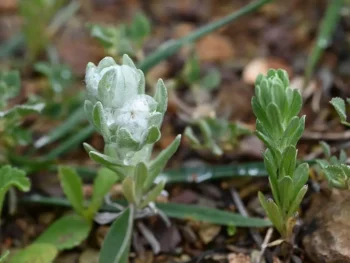
The Mystery of Bombycilaena: When Plant Names Leave Us Puzzled
Every once in a while, plant enthusiasts encounter a botanical name that seems to slip through the cracks of even the most comprehensive plant databases. Bombycilaena is one such enigmatic name that has gardeners scratching their heads and reaching for their botanical references.
What We Know (And What We Don’t)
Here’s what we can say with certainty about Bombycilaena: it’s classified as a dicot and described as an annual plant. Beyond these basic facts, reliable information becomes surprisingly scarce. This lack of readily available data raises some important questions about plant identification and the challenges that come with lesser-known species.
The Challenge of Obscure Plant Names
When a plant name yields little to no information in standard botanical references, it could mean several things:
- The genus might be extremely rare or recently discovered
- It could be an outdated taxonomic name that’s been reclassified
- There might be a spelling variation or error in the name
- The plant might be known primarily in very specific geographic regions
A Word of Caution for Gardeners
Without clear information about native range, growing requirements, or potential invasive characteristics, it’s difficult to recommend whether Bombycilaena would make a good garden addition. The absence of cultivation information, hardiness zone data, and care instructions makes successful growing a challenge.
What Should You Do?
If you’ve encountered the name Bombycilaena in your gardening research, consider these steps:
- Double-check the spelling and source of the plant name
- Consult with local botanical experts or extension services
- Look for similar-sounding plant names that might be what you’re actually seeking
- Consider well-documented native alternatives for your garden needs
The Importance of Plant Verification
This situation highlights why it’s crucial to verify plant information before making gardening decisions. Reliable sources, proper identification, and understanding a plant’s characteristics are essential for successful gardening and environmental stewardship.
While the mystery of Bombycilaena remains unsolved, it serves as a reminder that the plant world still holds secrets and that sometimes the most honest answer is we need more information. When in doubt, stick with well-documented native plants that will reliably thrive in your garden while supporting local ecosystems.