Bonpland’s Croton: An Uncommon Annual for Specialized Gardens
Meet Bonpland’s croton (Croton bonplandianus), a small annual herb that’s probably not on most gardeners’ wish lists—and for good reason. This unassuming plant might not win any beauty contests, but it has an interesting story and a few surprising qualities that make it worth knowing about, even if you never actually plant it.
What Exactly Is Bonpland’s Croton?
Bonpland’s croton is a non-native annual forb that belongs to the spurge family. Think of it as a botanical wallflower—it’s the kind of plant that blends into the background rather than stealing the spotlight. As an annual, it completes its entire life cycle in one growing season, sprouting from seed, flowering, setting seed, and dying all within a year.
This little herb lacks any significant woody tissue, keeping it firmly in the soft-stemmed plant category. It’s what botanists call a forb, which is just a fancy way of saying it’s an herbaceous flowering plant that isn’t a grass.
Where Does It Come From and Where Can You Find It?
Originally hailing from the tropical and subtropical regions of the Americas—particularly Central America and northern South America—Bonpland’s croton has made itself at home in a few spots in the United States. Currently, it’s been documented growing wild in Maryland and Virginia, where it has established itself as an introduced species that reproduces without human assistance.
- Species observed
- No observations
Should You Grow Bonpland’s Croton?
Here’s where things get interesting. While Bonpland’s croton isn’t particularly showy or beneficial to local wildlife, it’s also not known to be invasive or harmful. However, that doesn’t necessarily make it a great garden choice for most people.
The Honest Truth About Its Appeal
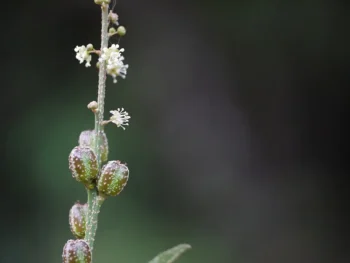
Let’s be frank: Bonpland’s croton isn’t going to wow anyone with its looks. It produces small, greenish flowers that are easily overlooked, and its simple leaves won’t be gracing any garden magazine covers. Its primary appeal lies in its botanical interest rather than its ornamental value.
Growing Conditions and Care
If you’re determined to grow this uncommon annual, here’s what you need to know:
- Climate: Thrives in USDA hardiness zones 9-11, as it’s quite frost-sensitive
- Soil: Adaptable to various soil types, particularly disturbed or poor soils
- Temperature: Requires warm temperatures throughout its growing season
- Care level: Low maintenance once established
- Propagation: Easily grown from seed and tends to self-seed
A Better Alternative: Consider Native Plants Instead
While Bonpland’s croton isn’t problematic, there are much better options for your garden. Native annual wildflowers like wild bergamot, purple coneflower, or local aster species will provide far more benefits to local wildlife, including pollinators and birds. These native alternatives also tend to be more visually appealing and better adapted to local growing conditions.
The Bottom Line
Bonpland’s croton falls into that quirky category of plants that are more interesting to botanists and plant collectors than to everyday gardeners. Unless you’re creating a specialized collection or have a particular interest in unusual annuals, you’ll probably get more satisfaction from native alternatives that support local ecosystems while providing better visual impact.
If you do decide to grow it, remember that it’s quite easy to cultivate—perhaps a little too easy, as it readily self-seeds. Keep an eye on it to ensure it doesn’t spread beyond where you want it, and always prioritize native species that will truly enhance your local environment.