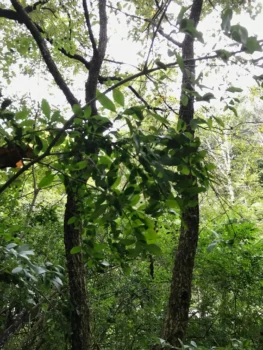
Border Privet: Why This Common Hedge Plant Should Stay Out of Your Garden
If you’ve been considering border privet (Ligustrum obtusifolium) for your landscape, it’s time to pump the brakes. While this shrub might seem like an attractive, low-maintenance option for hedging and privacy screening, there’s more to this plant than meets the eye – and unfortunately, it’s not good news for our native ecosystems.
What Exactly Is Border Privet?
Border privet is a perennial, multi-stemmed woody shrub that typically grows 4-5 meters (13-16 feet) tall, though it can reach greater heights under the right conditions. Originally from East Asia, this non-native species has made itself quite at home across much of the United States – perhaps a little too much at home.
The plant produces clusters of small white flowers in spring, followed by dark blue-black berries in fall. Its oval, green leaves create dense foliage that many gardeners find appealing for creating privacy screens and formal hedges.
Where You’ll Find Border Privet
This invasive species has established itself across a significant portion of the country, including Connecticut, District of Columbia, Illinois, Indiana, Iowa, Kentucky, Maryland, Massachusetts, Michigan, Missouri, New Hampshire, New Jersey, New York, North Carolina, Ohio, Pennsylvania, Rhode Island, Tennessee, Vermont, Virginia, and Washington.
- Species observed
- No observations
The Problem with Border Privet
Here’s where things get concerning. Border privet isn’t just a harmless garden plant that’s spread around – it’s considered invasive or prohibited in multiple states:
- Connecticut: Potentially Invasive, Prohibited
- Maryland: Tier 2 invasive species
- Missouri: Invasive (IPC)
- New Hampshire: Prohibited
This means the plant reproduces spontaneously in the wild without human help and tends to persist, often crowding out native vegetation that our local wildlife depends on. When a plant escapes cultivation and starts taking over natural areas, it disrupts the delicate balance of local ecosystems.
Growing Characteristics (And Why They’re Problematic)
Part of what makes border privet so invasive is also what might make it seem appealing to gardeners:
- Extremely adaptable to various soil conditions
- Tolerates both shade and drought
- Hardy in USDA zones 3-7
- Fast-growing and easy to establish
- Requires minimal care once established
While these traits might sound like gardener’s gold, they’re exactly what allows border privet to escape gardens and invade natural areas where it doesn’t belong.
Limited Benefits for Wildlife
Unlike native plants that have co-evolved with local wildlife over thousands of years, border privet offers limited benefits to pollinators and other creatures. While its flowers may attract some insects, it doesn’t provide the specialized relationships that native plants offer to local wildlife populations.
Our Strong Recommendation: Skip the Border Privet
Given its invasive status in multiple states and its tendency to escape cultivation, we strongly recommend against planting border privet. Even if it’s not currently listed as invasive in your specific area, the risk of it spreading and causing ecological damage is simply too high.
Better Native Alternatives
The good news? There are fantastic native alternatives that can provide the same screening and hedging benefits without the ecological risks. Consider these native options instead:
- American elderberry (Sambucus canadensis) for wildlife benefits and edible berries
- Spicebush (Lindera benzoin) for shade tolerance and butterfly habitat
- Ninebark (Physocarpus opulifolius) for attractive flowers and easy care
- Native viburnums for four-season interest and bird food
These native alternatives will give you the privacy and structure you’re looking for while supporting local ecosystems and wildlife – a true win-win for both you and nature.
The Bottom Line
While border privet might seem like an easy solution for your landscaping needs, its invasive nature makes it a poor choice for responsible gardeners. By choosing native alternatives instead, you’ll create a beautiful landscape that works in harmony with your local environment rather than against it. Your garden will be just as lovely, and you’ll sleep better knowing you’re not contributing to the spread of an invasive species.