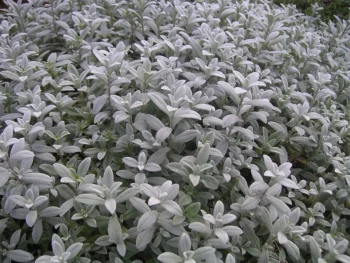
Boreal Chickweed: A Lesser-Known Perennial Worth Investigating
If you’ve stumbled across the name Boreal chickweed (Cerastium biebersteinii) in your gardening research, you’re not alone in finding limited information about this intriguing perennial. Also sometimes called snow-in-summer, this plant belongs to the fascinating world of chickweeds, though it remains somewhat of a mystery in mainstream gardening circles.
What We Know About Boreal Chickweed
Cerastium biebersteinii is classified as a perennial forb, which simply means it’s a non-woody plant that lives for more than two years. As a forb, it lacks the significant woody tissue you’d find in shrubs or trees, instead maintaining its perennating buds at or below ground level – nature’s clever way of helping it survive harsh conditions and return year after year.
The common names Boreal chickweed and snow-in-summer give us some clues about this plant’s character and appearance, suggesting it may have white flowers reminiscent of snow and possibly thrives in cooler climates.
The Information Gap Challenge
Here’s where things get interesting (and a bit frustrating for curious gardeners): reliable, specific information about Cerastium biebersteinii is surprisingly scarce. Unlike its better-known cousin Cerastium tomentosum, which is widely cultivated and documented, our Boreal chickweed seems to fly under the radar in most gardening resources.
Unfortunately, we don’t have clear information about:
- Its native range and geographical distribution
- Specific growing conditions and care requirements
- USDA hardiness zones
- Wildlife and pollinator benefits
- Invasive potential or conservation status
A Cautious Approach for Curious Gardeners
If you’re considering adding Boreal chickweed to your garden, we’d recommend taking a better safe than sorry approach. Since the native status and potential invasiveness of this species aren’t well documented, it’s wise to:
- Check with local extension offices or native plant societies for regional information
- Verify the plant’s appropriateness for your local ecosystem
- Consider well-documented native alternatives that provide similar aesthetic appeal
- If you do find this plant available, ensure it comes from a reputable source
Exploring Native Alternatives
While we wait for more information about Cerastium biebersteinii to surface, there are plenty of well-documented native ground covers and perennials that might scratch that same gardening itch. Consider researching native species in your area that offer similar characteristics – low-growing perennials with attractive foliage or flowers that can serve similar roles in landscape design.
Your local native plant society or extension office can be invaluable resources for finding plants that are not only beautiful and well-suited to your climate, but also support local wildlife and ecosystems.
The Bottom Line
Boreal chickweed remains something of an enigma in the gardening world. While its classification as a perennial forb and its intriguing common names suggest it could be a worthwhile garden addition, the lack of specific growing information and unclear native status make it a plant that requires careful consideration.
Sometimes the most responsible approach is to admire a plant’s mystery while choosing better-documented species for our gardens. After all, there are countless amazing native plants waiting to be discovered that come with the bonus of detailed growing guides and known ecological benefits!