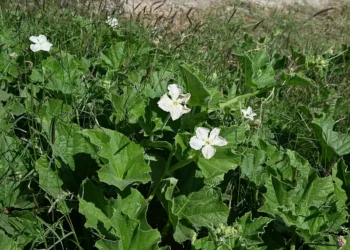
Bottle Gourd: The Fascinating Climbing Annual That’s Been Around for Centuries
If you’ve ever wondered about those peculiar bottle-shaped gourds hanging in craft stores or spotted at farmers markets, chances are you were looking at the fruits of Lagenaria siceraria, better known as bottle gourd. This vigorous climbing annual has been cultivating relationships with humans for thousands of years, and it might just be the conversation starter your garden needs.
What Exactly Is Bottle Gourd?
Bottle gourd (Lagenaria siceraria) is an annual forb—essentially a non-woody plant that completes its entire life cycle in one growing season. Don’t let the fancy botanical terminology fool you; this is simply a fast-growing vine that produces some of nature’s most uniquely shaped fruits. You might also see it listed under several scientific synonyms, including Cucurbita lagenaria or Lagenaria vulgaris, but they’re all referring to the same remarkable plant.
A World Traveler in Your Garden
Here’s where things get interesting from a native gardening perspective: bottle gourd isn’t actually native to North America. This globe-trotter has made itself at home across many states, including Alabama, Arizona, Arkansas, Florida, Georgia, Illinois, Kentucky, Louisiana, Massachusetts, Mississippi, Missouri, New York, North Carolina, Pennsylvania, South Carolina, Texas, Virginia, Puerto Rico, and the U.S. Virgin Islands. While it reproduces spontaneously in the wild and persists without human help, it’s not currently listed as invasive or noxious.
- Species observed
- No observations
Should You Grow Bottle Gourd?
The decision to grow bottle gourd comes down to your gardening goals and philosophy. Here are some reasons you might want to consider it:
- Unique ornamental value with distinctive bottle-shaped fruits
- Fast-growing vine that can quickly cover trellises or fences
- Large, fragrant white flowers that attract night-flying pollinators like moths
- Versatile fruits can be used for crafts, containers, or eaten when young
- Cultural and historical significance in many traditions
However, if you’re committed to native-only gardening, you might prefer alternatives like wild cucumber (Echinocystis lobata) or bur cucumber (Sicyos angulatus), which are native climbing plants that can provide similar coverage and wildlife benefits.
The Perfect Spot for Your Bottle Gourd
Bottle gourds are the extroverts of the garden world—they need space to climb and plenty of attention. These vigorous vines work beautifully in:
- Vegetable gardens with sturdy trellises
- Ornamental landscapes where you want quick vertical interest
- Cultural or heritage gardens
- Areas where you want seasonal screening
Growing Conditions That Make Bottle Gourds Happy
Think tropical vacation when planning for bottle gourds. They thrive in:
- Full sun (6-8 hours daily)
- Well-drained, fertile soil
- Warm temperatures throughout the growing season
- USDA hardiness zones 3-11 (grown as annuals)
- Consistent moisture without waterlogging
Planting and Care Tips
Growing bottle gourds successfully is like raising enthusiastic teenagers—give them structure and they’ll surprise you with their growth:
- Start seeds indoors 4-6 weeks before the last frost, or direct sow after soil warms
- Provide strong support structures—these vines can get heavy!
- Space plants 3-6 feet apart to accommodate their sprawling nature
- Water consistently, especially during fruit development
- Harvest gourds before the first frost for best results
The Pollinator Connection
One of bottle gourd’s most charming features is its large, white, fragrant flowers that open in the evening. These nocturnal blooms are specifically designed to attract night-flying pollinators like moths and even bats in some regions. If you enjoy evening garden strolls, you’ll love watching the nighttime pollinator party unfold.
Making the Decision
Bottle gourd represents an interesting case study in garden philosophy. While not native to North America, it’s been part of human culture for millennia and offers unique ornamental and practical value. If you decide to grow it, you’ll be participating in an ancient tradition while adding vertical interest and pollinator habitat to your garden. Just remember to provide adequate support—both for the plant and your commitment to managing its enthusiastic growth!
Whether you choose bottle gourd or opt for native alternatives, the key is creating a garden that reflects your values while supporting local ecosystems. Sometimes that means embracing well-behaved non-natives, and sometimes it means sticking strictly to native species. The choice, like your garden, is uniquely yours.