Bottlebrush Bulrush: A Tiny Non-Native Sedge Worth Considering
Meet the bottlebrush bulrush (Isolepis hystrix), a petite annual sedge that’s been quietly making its way into American gardens. While this little plant might not be native to our shores, it brings a unique charm that some gardeners find irresistible. But is it right for your garden? Let’s dive into what makes this grass-like plant tick.
What Exactly Is Bottlebrush Bulrush?
Bottlebrush bulrush is a small, annual sedge that belongs to the graminoid family – that’s the fancy term for grass and grass-like plants including sedges, rushes, and true grasses. Don’t let the name fool you; this isn’t actually a grass, but rather a member of the sedge family (Cyperaceae). You might also see it listed under its scientific name Isolepis hystrix, or its botanical synonym Scirpus hystrix.
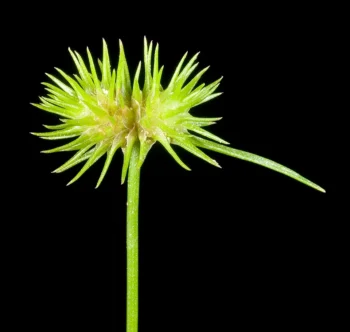
This tiny plant gets its common name from the bristly, bottlebrush-like appearance of its seed heads, which add a delicate texture to any planting.
Where Does It Come From?
Originally hailing from South Africa, bottlebrush bulrush is considered a non-native species in the United States. It has established itself in Virginia, where it reproduces spontaneously in the wild and tends to persist without human intervention. This means it’s naturalized in that region, though it hasn’t spread extensively throughout the country.
- Species observed
- No observations
Should You Grow Bottlebrush Bulrush?
Here’s where things get interesting. As a non-native plant, bottlebrush bulrush sits in a bit of a gray area for native plant enthusiasts. While it’s not considered invasive or noxious, it’s also not contributing to local ecosystems in the way native plants do.
The Case for Growing It
- Unique texture and visual interest in small spaces
- Perfect for container gardens and rock gardens
- Annual nature means it won’t permanently establish
- Interesting bottlebrush seed heads add novelty
- Low maintenance once established
The Case for Skipping It
- Provides limited benefits to native wildlife and pollinators
- Takes up space that could be used for native alternatives
- As a wind-pollinated sedge, offers little to beneficial insects
- Annual nature means replanting each year
Native Alternatives to Consider
If you’re drawn to the delicate, grass-like texture of bottlebrush bulrush, consider these native sedges instead:
- Pennsylvania sedge (Carex pensylvanica) – a low-growing native groundcover
- Bristle-leaved sedge (Carex eburnea) – delicate and fine-textured
- Hair sedge (Carex capillaris) – extremely fine and wispy
If You Choose to Grow Bottlebrush Bulrush
Should you decide this little sedge fits your garden vision, here’s how to grow it successfully:
Growing Conditions
Bottlebrush bulrush prefers moist, well-draining soil and thrives in full sun to partial shade. Since it’s an annual, you don’t need to worry about hardiness zones – just think of it as a one-season wonder that you’ll need to replant each year.
Planting and Care Tips
- Start from seed in spring after the last frost
- Keep soil consistently moist but not waterlogged
- Works well in containers or small garden spaces
- Requires minimal fertilization
- Harvest seeds if you want to replant next year
Garden Design Role
This petite sedge works best as a textural accent in rock gardens, container arrangements, or small specialty plantings. Its fine, bristly texture provides an interesting contrast to broader-leaved plants, and its small stature (typically staying quite low) makes it perfect for detailed garden work.
The Bottom Line
Bottlebrush bulrush is one of those plants that falls into the interesting but not essential category. While it won’t harm your garden or local ecosystem, it also won’t provide the ecological benefits that native plants offer. If you’re curious about unique textures and don’t mind replanting annually, it might be worth a try in a small space. However, if you’re committed to supporting local wildlife and ecosystems, you’ll likely find more satisfaction in exploring the wonderful world of native sedges instead.
Whatever you choose, remember that every garden is a personal expression, and sometimes a little experimentation with unusual plants can lead to delightful discoveries!