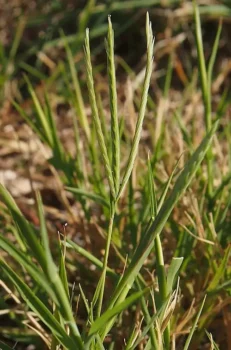
Brachyachne convergens: The Mystery Grass That’s Hard to Find
Have you ever stumbled across a plant name that seems to exist in the shadows of the botanical world? Meet Brachyachne convergens – a grass species that’s proving to be quite the enigma for gardeners and plant enthusiasts alike.
What We Know (And Don’t Know)
Here’s where things get interesting – and a bit frustrating. Brachyachne convergens appears to be one of those plants that exists more in name than in widely available information. The genus Brachyachne belongs to the grass family, but finding reliable details about this specific species is like searching for a needle in a botanical haystack.
Unfortunately, common names for this plant remain unknown, which makes it even trickier for everyday gardeners to identify or source.
The Challenge for Gardeners
If you’re considering adding Brachyachne convergens to your garden, you’ll face some unique challenges:
- Limited availability through typical nursery channels
- Scarce growing information and care guidelines
- Uncertain native status and geographical distribution
- Unknown growth requirements and hardiness zones
What This Means for Your Garden
Without clear information about this plant’s native range, growth habits, or environmental needs, it’s difficult to recommend whether Brachyachne convergens would be a good fit for your landscape. The lack of available data also means we can’t determine its potential benefits for pollinators or wildlife.
A Better Path Forward
Rather than pursuing this mysterious grass species, consider exploring well-documented native grasses that can provide proven benefits to your garden ecosystem. Many regions have beautiful native grass options that:
- Support local wildlife and pollinators
- Are adapted to local growing conditions
- Have established care and maintenance guidelines
- Are readily available from reputable native plant sources
The Takeaway
While the mystery surrounding Brachyachne convergens might intrigue plant collectors and botanical enthusiasts, practical gardeners are better served by choosing well-researched native alternatives. Your local native plant society or extension office can recommend grass species that will thrive in your specific region while supporting local ecosystems.
Sometimes the most responsible gardening choice is knowing when to say maybe not to a plant that remains too much of an unknown quantity.