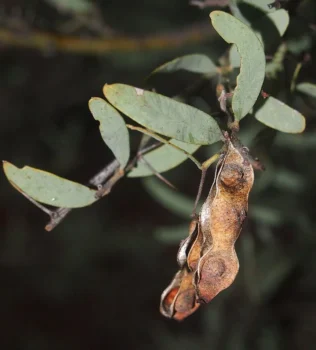
Bramble Acacia: A Thorny Beauty for Drought-Tolerant Gardens
If you’re looking for a plant that can handle tough conditions while still putting on a show, bramble acacia (Acacia victoriae) might just be your new garden companion. This resilient Australian native brings both beauty and practicality to landscapes that need a little extra toughness.
What Is Bramble Acacia?
Bramble acacia, also known as bramble wattle, is a dense, thorny shrub that’s built to survive in some of Australia’s harshest environments. Don’t let the thorns scare you off – this plant has a softer side with delicate yellow flower clusters that light up the landscape when in bloom.
The plant gets its common name from its bramble-like appearance, with silvery-green phyllodes (those are like leaves, but technically modified stems) and plenty of protective thorns. It’s sometimes listed under the synonym Acacia sentis, so don’t be confused if you see both names floating around.
Where Does It Come From?
Bramble acacia calls the arid and semi-arid regions of Australia home, naturally occurring across South Australia, Victoria, New South Wales, and Queensland. It’s perfectly adapted to the boom-and-bust rainfall patterns of the Australian outback.
Garden Appeal and Design Role
This isn’t your typical pretty-flower-and-done kind of plant. Bramble acacia brings year-round structure to the garden with its dense, architectural form. The silvery-green foliage provides excellent contrast against darker plants, while the bright yellow globular flowers add seasonal interest.
Here’s where bramble acacia shines in garden design:
- Barrier plantings where you actually want to keep things out
- Wildlife habitat gardens
- Xerophytic or drought-tolerant landscapes
- Australian native plant collections
- Slope stabilization projects
Growing Conditions and Care
The beauty of bramble acacia lies in its low-maintenance nature. Once established, this plant practically takes care of itself. It thrives in full sun and well-draining soils, and actually prefers poor soils over rich, fertile ones.
For North American gardeners, bramble acacia would likely perform best in USDA hardiness zones 9-11, though it may survive in protected spots in zone 8 with proper care.
Planting and Care Tips
Getting bramble acacia established is straightforward if you remember its drought-loving nature:
- Plant in well-draining soil – waterlogged roots are this plant’s enemy
- Choose a sunny location for best flowering
- Water regularly the first year to establish roots, then back off significantly
- Protect young plants from frost if you’re in a marginal zone
- Prune lightly after flowering to maintain shape
- Avoid fertilizing – this plant prefers lean conditions
Pollinator and Wildlife Benefits
Those cheerful yellow flowers aren’t just for show – they’re pollinator magnets! In its native Australia, bramble acacia supports various native bee species and other pollinators. The dense, thorny structure also provides excellent nesting sites and protection for small birds and wildlife.
Should You Plant It?
For gardeners in suitable climates looking for a tough, low-water plant with unique character, bramble acacia can be a great choice. However, since this is an Australian native, North American gardeners might want to consider native alternatives that provide similar benefits to local ecosystems.
If you’re drawn to the drought tolerance and wildlife benefits, consider native alternatives like desert willow, brittlebush, or native lupines, depending on your region. These will provide similar aesthetic appeal while supporting local wildlife and ecosystems.
That said, if you’re creating an Australian native garden or need a plant for extremely challenging conditions, bramble acacia could be the tough-love solution your landscape needs. Just remember – those thorns mean business, so plant it where you won’t accidentally brush against it during garden maintenance!