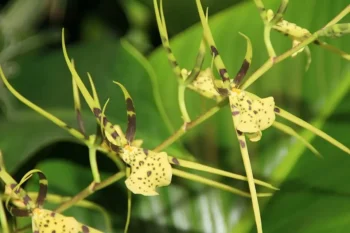
Brassia maculata: A Mystery Plant That May Not Exist
If you’ve come across the name Brassia maculata in your gardening research, you might be scratching your head trying to find more information about this mysterious plant. Well, you’re not alone – and there’s a good reason why details are so hard to come by.
The Case of the Missing Plant
Here’s the thing about Brassia maculata: it doesn’t appear to be a validly recognized plant species in current botanical databases. While Brassia is indeed a legitimate genus of beautiful orchids native to tropical Americas, Brassia maculata isn’t found in standard taxonomic references or horticultural guides.
This could mean several things:
- The name might be a misidentification or typo
- It could be an old synonym that’s no longer used
- It might be a very regional or colloquial name
- The plant might have been reclassified under a different name
What About Other Brassia Species?
If you’re interested in growing orchids from the Brassia genus, there are several well-documented species that make stunning additions to orchid collections. These spider orchids are known for their distinctive long, narrow petals that create an almost spider-like appearance.
Some popular Brassia species include:
- Brassia verrucosa (spotted with warty growths)
- Brassia caudata (with extremely long petals)
- Brassia gireoudiana (compact with fragrant flowers)
Before You Plant: Do Your Research
This situation with Brassia maculata is a perfect reminder of why it’s so important to verify plant names before making gardening decisions. When you encounter unfamiliar plant names:
- Check multiple reliable botanical sources
- Verify the plant’s existence in current taxonomic databases
- Look for photos and detailed descriptions from reputable sources
- Consider consulting with local botanical gardens or extension services
The Bottom Line
While we can’t provide growing advice for Brassia maculata since it doesn’t appear to be a valid species, this mystery serves as a valuable lesson in the importance of accurate plant identification. If you’re interested in orchids, stick with well-documented Brassia species or consult with orchid specialists who can help you choose the right plants for your collection.
Remember, successful gardening starts with knowing exactly what you’re growing – and sometimes that means discovering that what you thought you wanted to grow might not actually exist!