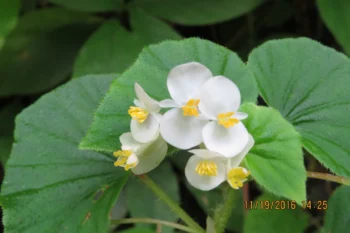
Brazilian Begonia: A Non-Native Annual with Limited Garden Appeal
If you’ve stumbled across the name Brazilian begonia (Begonia hirtella) while researching plants for your garden, you might be wondering whether this annual is worth adding to your landscape. While this non-native species has established itself in a few locations across the United States, there’s limited information available about its garden performance and characteristics.
What is Brazilian Begonia?
Brazilian begonia is an annual plant that, as its common name suggests, likely originates from Brazil or surrounding South American regions. Unlike many popular begonia varieties commonly found in garden centers, Begonia hirtella remains relatively obscure in the horticultural world, with limited cultivation information available.
Where Does Brazilian Begonia Grow?
Currently, Brazilian begonia has naturalized in just three locations within the United States: Florida, Hawaii, and Puerto Rico. This limited distribution suggests the plant has specific environmental needs that aren’t met in most regions of the country.
- Species observed
- No observations
Native Status and Garden Considerations
Since Brazilian begonia is non-native to the United States, it doesn’t provide the same ecological benefits as indigenous plants. While it’s not currently listed as invasive or noxious, its ability to reproduce spontaneously in the wild means it has the potential to establish itself beyond cultivation.
The plant’s wetland status varies by region:
- In Atlantic and Gulf Coastal Plain regions: Obligate Upland (rarely found in wetlands)
- In the Caribbean: Obligate Upland (rarely found in wetlands)
- In Hawaii: Facultative Upland (usually found in non-wetland areas but may occur in wetlands)
Limited Growing Information
Unfortunately, detailed growing conditions, care requirements, and aesthetic qualities for Begonia hirtella are not well-documented in horticultural literature. This lack of information makes it challenging to provide specific guidance on cultivation, hardiness zones, or garden design applications.
Better Alternatives for Your Garden
Given the limited information available about Brazilian begonia and its non-native status, you might want to consider native alternatives that will better support local wildlife and ecosystems. Depending on your location, consider these options:
- For Florida gardeners: Native wildflowers like blanket flower (Gaillardia pulchella) or coral bean (Erythrina herbacea)
- For Hawaii gardeners: Indigenous plants like native hibiscus species or Hawaiian gardenia
- For Puerto Rico gardeners: Native species like Puerto Rican hat palm or indigenous flowering shrubs
The Bottom Line
While Brazilian begonia isn’t necessarily harmful to grow, the lack of available information about its cultivation and garden performance, combined with its non-native status, makes it a questionable choice for most gardeners. Your time and garden space are better invested in well-documented native plants that will provide reliable beauty while supporting local pollinators and wildlife.
If you’re specifically interested in begonias, consider exploring native alternatives or well-established non-invasive varieties that have proven garden merit and extensive growing information available.