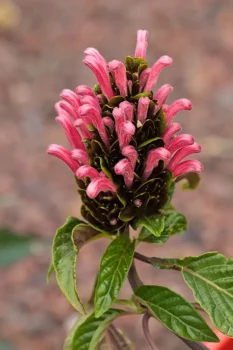
Brazilian-Plume: A Showy Tropical Beauty for Warm Gardens
If you’re looking to add a splash of tropical flair to your garden, the Brazilian-plume (Justicia carnea) might just catch your eye. This South American native brings bold color and exotic charm to landscapes, though it’s definitely not for everyone or every climate.
What Is Brazilian-Plume?
Brazilian-plume, also known by its botanical name Justicia carnea (and sometimes listed as Jacobinia carnea), is a flowering shrub that hails from Brazil. True to its common name, this plant produces distinctive plume-like flower spikes that emerge in shades of pink to deep red. The velvety texture of both flowers and foliage gives it an almost touchable quality that makes it irresistible to many gardeners.
Geographic Distribution and Native Status
This beauty is native to Brazil, where it thrives in the warm, humid conditions of South America. As a non-native species in North American gardens, it won’t provide the same ecological benefits as indigenous plants.
Why You Might (Or Might Not) Want to Grow It
The Good:
- Stunning pink to red flower spikes create dramatic focal points
- Attracts hummingbirds and butterflies to your garden
- Adds tropical ambiance to outdoor spaces
- Works beautifully in containers for seasonal displays
The Considerations:
- Only hardy in USDA zones 9-11, limiting where it can be grown year-round
- Requires protection from harsh sun and cold temperatures
- As a non-native plant, it doesn’t support local ecosystems like native alternatives
- May need to be treated as an annual in cooler climates
Garden Design and Landscape Role
Brazilian-plume works best as a specimen plant where its showy flowers can take center stage. In tropical-style gardens, it pairs beautifully with other heat-loving plants like hibiscus, bougainvillea, and palms. Container gardening is another excellent option, especially for gardeners in cooler zones who want to bring plants indoors during winter.
Growing Conditions and Care
Success with Brazilian-plume depends on getting the growing conditions just right:
- Light: Partial shade to bright, indirect light (protect from harsh afternoon sun)
- Soil: Well-draining, fertile soil that retains some moisture
- Water: Consistent moisture without waterlogging
- Temperature: Warm conditions; bring indoors when temperatures drop below 50°F
- Humidity: Appreciates higher humidity levels
Planting and Care Tips
Getting started with Brazilian-plume is relatively straightforward if you can provide the right environment:
- Plant after all danger of frost has passed
- Space plants 2-3 feet apart to allow for growth
- Water regularly but ensure good drainage to prevent root rot
- Pinch spent flowers to encourage continued blooming
- Prune lightly after flowering to maintain shape
- In zones 8 and below, grow in containers that can be moved indoors
Pollinator and Wildlife Benefits
While Brazilian-plume does attract hummingbirds and some butterflies with its tubular flowers, it’s worth noting that native plants typically provide more comprehensive support for local wildlife. The nectar is accessible to pollinators, but the plant doesn’t offer the same larval host capabilities or year-round ecosystem support that indigenous species provide.
Native Alternatives to Consider
If you love the look of Brazilian-plume but want to support local ecosystems, consider these native alternatives:
- Cardinal flower (Lobelia cardinalis) – brilliant red spikes that hummingbirds adore
- Coral honeysuckle (Lonicera sempervirens) – tubular flowers in similar colors
- Bee balm (Monarda species) – colorful flower heads that attract diverse pollinators
- Fire pink (Silene virginica) – bright red blooms with hummingbird appeal
The Bottom Line
Brazilian-plume can be a gorgeous addition to warm-climate gardens or container collections, offering tropical beauty and some pollinator benefits. However, gardeners should weigh these advantages against the plant’s limited hardiness and non-native status. If you do choose to grow it, enjoy its dramatic blooms while also considering incorporating native plants that provide more comprehensive ecological benefits. After all, the best gardens often blend beauty with environmental stewardship.