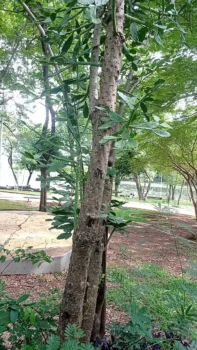
Brazilian Pricklypear: A Towering Cactus with Tropical Flair
Meet the Brazilian pricklypear (Brasiliopuntia), a cactus that thinks it’s a tree! This impressive perennial succulent breaks all the rules of what we typically expect from a prickly pear, growing tall and proud with a genuine trunk rather than sprawling along the ground like its more familiar cousins.
What Makes Brazilian Pricklypear Special
The Brazilian pricklypear is quite the showstopper in the cactus world. Unlike the low-growing prickly pears you might know, this species develops into a genuine tree form, reaching heights of 13 to 16 feet or more. With its distinctive segmented pads stacked on a sturdy trunk, it creates an architectural presence that’s hard to ignore in any landscape.
This perennial woody plant brings a unique tropical desert vibe to gardens, with the potential for bright yellow flowers that attract pollinators like bees when conditions are right. Its tree-like structure makes it an excellent specimen plant for those looking to add vertical interest to their succulent gardens.
Where You’ll Find It Growing
Currently, Brazilian pricklypear has established itself in Florida and Puerto Rico, where it reproduces naturally in the wild. However, this species isn’t native to these areas – it originally hails from South America, particularly Brazil and Argentina, hence its common name.
- Species observed
- No observations
Growing Conditions and Care
If you’re considering adding a Brazilian pricklypear to your landscape, here’s what this tropical tree cactus needs to thrive:
- Climate: USDA hardiness zones 9b through 11 – this plant is quite frost-sensitive
- Sunlight: Full sun exposure for optimal growth and flowering
- Soil: Well-draining soil is absolutely essential to prevent root rot
- Water: Drought tolerant once established; minimal watering required
- Space: Allow plenty of room for both height and spread as it matures
Landscape Uses
Brazilian pricklypear works wonderfully as:
- A dramatic specimen plant in desert or xerophytic gardens
- An architectural element in modern landscape designs
- Part of succulent collections in tropical and subtropical climates
- A conversation starter for those who love unique plants
Planting and Care Tips
When planting Brazilian pricklypear, protection from frost is crucial, especially for young plants. Choose a location with excellent drainage and full sun exposure. Once established, this low-maintenance plant requires very little intervention – just occasional watering during extended dry periods and protection during any unexpected cold snaps.
Keep in mind that as a tree-form cactus, it will need adequate space to reach its full potential. Plan for both its eventual height and the spread of its pad-bearing branches.
Should You Plant Brazilian Pricklypear?
While Brazilian pricklypear isn’t native to the United States, it can make an interesting addition to appropriate climates where gardeners appreciate unique architectural plants. However, if you’re looking to support local ecosystems, consider native alternatives like prickly pear species indigenous to your region, such as Opuntia humifusa in the southeastern states.
For those in suitable climates who choose to grow Brazilian pricklypear, it offers a distinctive landscape element that’s sure to spark conversations while requiring minimal care once established. Just remember to give it the space and conditions it needs to show off its impressive tree-like stature!