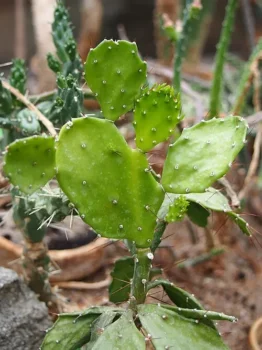
Brazilian Pricklypear: A Towering Cactus with Unique Character
Meet the Brazilian pricklypear (Brasiliopuntia brasiliensis), a fascinating tree-form cactus that’s quite different from your typical prickly pear. This towering succulent brings a bold architectural presence to warm-climate gardens, though it comes with some important considerations for American gardeners.
What Makes Brazilian Pricklypear Special
The Brazilian pricklypear stands out from other cacti with its impressive tree-like growth habit. This perennial woody plant typically grows as a single-stemmed trunk that can reach heights of 13-16 feet or more, though environmental conditions sometimes encourage a shorter, multi-stemmed form. Its segmented pads create an interesting sculptural quality, and when mature, it produces cheerful yellow flowers that add seasonal color to the landscape.
Where You’ll Find It Growing
Originally native to South America (including Brazil, Argentina, and Paraguay), this cactus has made its way to warmer parts of the United States. You can currently find established populations in Florida and Puerto Rico, where it reproduces on its own in the wild.
- Species observed
- No observations
Important Native Status Information
Here’s something crucial to know: Brazilian pricklypear is not native to the United States. It’s an introduced species that has naturalized in some areas. While it’s not currently listed as invasive or noxious, this doesn’t mean it should be your first choice for native plant gardening. If you’re passionate about supporting local ecosystems, consider native alternatives like native prickly pears (Opuntia species) that naturally occur in your region.
Garden Design Potential
If you do choose to grow Brazilian pricklypear, it works wonderfully as:
- A dramatic specimen plant in xeriscaped gardens
- An architectural focal point in desert-themed landscapes
- Part of a cactus and succulent collection
- A unique element in Mediterranean-style gardens
Its tree-like form makes it particularly valuable for adding height and structure to succulent gardens, something most cacti can’t provide.
Growing Conditions and Climate Needs
Brazilian pricklypear thrives in USDA hardiness zones 9b through 11, making it suitable only for the warmest parts of the country. This heat-loving plant demands:
- Full sun exposure
- Excellent drainage (sandy or rocky soil is ideal)
- Minimal water once established
- Protection from frost and freezing temperatures
Planting and Care Tips
Successfully growing Brazilian pricklypear requires understanding its desert origins:
- Soil preparation: Amend heavy clay soils with sand, gravel, or pumice to ensure drainage
- Watering: Water deeply but infrequently; allow soil to dry completely between waterings
- Fertilizing: Use a low-nitrogen, cactus-specific fertilizer sparingly
- Pruning: Wear heavy gloves and use long-handled tools when pruning due to spines
- Winter protection: In marginal zones, provide frost protection or grow in containers that can be moved indoors
Wildlife and Pollinator Benefits
The yellow flowers of Brazilian pricklypear do attract bees and other pollinators during blooming season, providing some ecological value. However, native cacti and other indigenous plants will generally offer more comprehensive benefits to local wildlife populations.
Should You Plant It?
Brazilian pricklypear can be an interesting addition to the right garden, particularly for collectors of unusual cacti or those creating themed xeriscapes. However, consider these factors:
- Its non-native status means it won’t support local ecosystems as effectively as native alternatives
- It requires very specific growing conditions and climate
- Its large size means it needs plenty of space to grow
- Handling requires extreme caution due to spines
If you’re drawn to tree-form cacti but want to stay native, research indigenous Opuntia species or other native cacti in your region. Many offer similar architectural interest while supporting local wildlife and maintaining ecological balance.
For those who do choose to grow Brazilian pricklypear, remember that with great cactus comes great responsibility – both for your garden’s success and for preventing unintended spread into natural areas.