Brazilian Satintail: A Beautiful But Problematic Grass You Should Avoid
If you’ve been browsing ornamental grasses and stumbled across Brazilian satintail (Imperata brasiliensis), you might be tempted by its elegant silvery plumes and easy-care reputation. But before you add this South American native to your shopping list, there’s some important information you need to know about this seemingly innocent grass.
What is Brazilian Satintail?
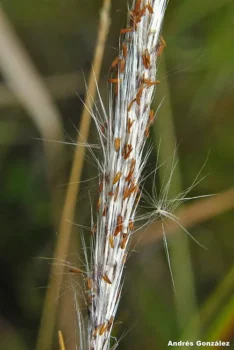
Brazilian satintail is a perennial grass that produces graceful, feathery white to silvery plumes that catch the light beautifully in late summer and fall. This graminoid (that’s garden-speak for grass-like plants) can create stunning visual impact with its narrow green leaves and showy seed heads that dance in the breeze.
Originally from South America, particularly Brazil and neighboring countries, this grass has found its way into parts of the southeastern United States, where it now grows wild in Alabama, Florida, Louisiana, Mississippi, South Carolina, and Puerto Rico.
- Species observed
- No observations
The Problem with This Pretty Grass
Here’s where things get complicated. While Brazilian satintail might look lovely in garden catalogs, it’s actually classified as a noxious weed in the United States. This isn’t just bureaucratic paperwork – it means this plant has proven problematic enough that authorities have flagged it as potentially harmful to native ecosystems.
As a non-native species that reproduces and spreads without human help, Brazilian satintail can outcompete native plants and disrupt local plant communities. Once established, it tends to persist and can be difficult to control or remove.
Why You Should Skip This Grass
Even though Brazilian satintail thrives in USDA hardiness zones 8-11 and tolerates a wide range of growing conditions – from full sun to partial shade and various soil types – its invasive tendencies make it a poor choice for responsible gardeners. Here’s why you should look elsewhere:
- It can spread aggressively beyond your intended planting area
- It may escape cultivation and establish in natural areas
- It provides minimal benefits to native wildlife and pollinators
- Its noxious weed status could potentially cause legal issues in some areas
- It can be extremely difficult to remove once established
Better Native Alternatives
The good news is that there are plenty of gorgeous native grasses that can give you similar aesthetic appeal without the ecological baggage. Consider these beautiful alternatives:
- Little bluestem (Schizachyrium scoparium) for silvery seed heads and fall color
- Indiangrass (Sorghastrum nutans) for golden plumes and wildlife value
- Switchgrass (Panicum virgatum) for airy texture and bird habitat
- Purple lovegrass (Eragrostis spectabilis) for delicate, cloud-like seed heads
The Bottom Line
While Brazilian satintail might seem like an attractive, low-maintenance addition to your landscape, its classification as a noxious weed and potential for causing ecological harm make it a plant to avoid. Your garden – and your local ecosystem – will be better served by choosing native alternatives that provide beauty, wildlife habitat, and peace of mind.
Remember, responsible gardening means considering not just what looks good in our own yards, but what’s good for the broader environment too. There are so many stunning native grasses available that you won’t miss this problematic import at all!