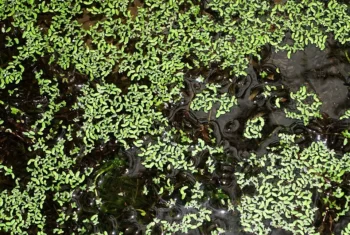
Brazilian Waterweed: Why This Aquatic Plant Should Stay Out of Your Water Garden
If you’re planning a water garden or pond, you might come across Brazilian waterweed (Egeria densa) being sold at garden centers or online. While this aquatic plant might look appealing with its bright green, feathery foliage, there’s a compelling reason to steer clear: it’s one of the most problematic invasive aquatic plants in North America.
What is Brazilian Waterweed?
Brazilian waterweed, scientifically known as Egeria densa, is a perennial aquatic plant that’s also been called by several other scientific names throughout history, including Anacharis densa and Elodea densa. This submerged plant is a forb that grows entirely underwater, except when it sends up small white flowers to the surface.
Originally native to South America, particularly Brazil, Argentina, and Uruguay, this plant has become a major aquatic invader across much of North America.
Where Has Brazilian Waterweed Spread?
Brazilian waterweed has established populations across an alarming number of states and provinces, including Alabama, Arizona, Arkansas, California, Colorado, Connecticut, Delaware, Florida, Georgia, Hawaii, Illinois, Indiana, Kansas, Kentucky, Louisiana, Maryland, Massachusetts, Mississippi, Missouri, Nebraska, New Hampshire, New Jersey, New Mexico, New York, North Carolina, Ohio, Oklahoma, Oregon, Pennsylvania, South Carolina, Tennessee, Texas, Utah, Vermont, Virginia, Washington, West Virginia, Puerto Rico, and British Columbia.
- Species observed
- No observations
Why You Should Avoid Brazilian Waterweed
This plant comes with serious red flags that make it unsuitable for responsible gardening:
- Invasive Status: Multiple states have classified it as invasive, including Category 2 status in Alabama and Prohibited status in Connecticut, Michigan, New Hampshire, and Wisconsin
- Noxious Weed Designation: Alabama lists it as a Class C noxious weed
- Regulated Plant: Minnesota regulates its sale and transport
- Ecological Disruption: It can quickly dominate water bodies, crowding out native aquatic plants and disrupting entire aquatic ecosystems
Growing Characteristics That Make It Problematic
Brazilian waterweed thrives in virtually any wetland environment – it’s classified as an Obligate Wetland plant across all regions of North America. This means it almost always occurs in wetlands and can adapt to various aquatic conditions.
The plant grows rapidly in full sun to partial shade and can quickly form dense underwater meadows. It propagates easily through fragments, meaning even small pieces can establish new colonies downstream.
Better Alternatives for Your Water Garden
Instead of risking ecological damage with Brazilian waterweed, consider these native aquatic plants for your water feature:
- Wild celery (Vallisneria americana): Provides similar underwater structure with ribbon-like leaves
- Coontail (Ceratophyllum demersum): Offers feathery texture without invasive tendencies
- Various native pondweeds (Potamogeton species): Region-specific options that support local wildlife
- Water milfoil natives: Such as northern watermilfoil (Myriophyllum sibiricum) in appropriate regions
The Bottom Line
While Brazilian waterweed might seem like an easy aquatic plant choice, its invasive nature makes it a poor choice for responsible gardeners. The plant’s ability to escape cultivation and disrupt native ecosystems far outweighs any aesthetic benefits it might provide.
When planning your water garden, choose native alternatives that will provide beauty while supporting local wildlife and maintaining ecological balance. Your local extension office or native plant society can help you identify the best native aquatic plants for your specific region and water feature needs.