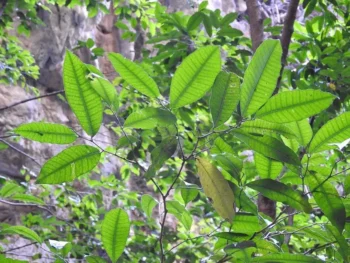
Breadnut Tree: A Tropical Giant for Large Landscapes
Looking for a substantial shade tree that can transform your large property into a tropical oasis? Meet the breadnut tree (Brosimum alicastrum), a magnificent specimen that’s making its mark in Florida’s gardening scene. This impressive tree brings serious canopy coverage and year-round greenery, though it’s definitely not for small spaces!
What Exactly Is a Breadnut Tree?
The breadnut is a large, evergreen tree that can tower over your landscape at heights exceeding 50 feet with an equally impressive spread. Originally hailing from Central America, southern Mexico, and parts of the Caribbean, this non-native species has found a home in Florida, where it reproduces naturally and thrives in our subtropical climate.
Don’t let the name fool you – while it’s called breadnut, this tree is primarily grown for its ornamental value rather than food production in most residential settings. Its broad, glossy green leaves create dense shade that’s perfect for escaping Florida’s intense sunshine.
Where You’ll Find Breadnut Trees
In the United States, breadnut trees have established themselves in Florida, where the warm, humid climate suits their tropical origins perfectly. As a non-native species that reproduces on its own, you might spot these trees in parks, large residential properties, and naturalized areas throughout the state.
- Species observed
- No observations
Why Consider (or Skip) a Breadnut Tree?
Reasons you might love it:
- Creates incredible shade coverage for large properties
- Evergreen foliage provides year-round visual interest
- Relatively low maintenance once established
- Attracts pollinators with its small flowers
- Thrives in Florida’s climate
Reasons to think twice:
- Requires substantial space – not suitable for small yards
- Non-native species (consider native alternatives)
- Limited cold tolerance (USDA zones 10-11 only)
- Can become quite large, potentially overwhelming smaller landscapes
Growing Conditions and Care
If you’re set on growing a breadnut tree, here’s what it needs to thrive:
Climate Requirements: These trees are strictly tropical to subtropical, hardy only in USDA zones 10-11. They cannot tolerate frost, so they’re really only suitable for the warmest parts of Florida.
Light and Soil: Breadnut trees prefer full sun to partial shade and well-draining soil. They’re fairly adaptable to different soil types but don’t appreciate waterlogged conditions.
Watering: Regular watering is essential during the establishment period. Once mature, they’re somewhat drought-tolerant but perform best with consistent moisture.
Planting and Care Tips
- Plant in spring after any frost danger has passed
- Choose a location with plenty of room for the tree’s eventual size
- Water regularly for the first two years while the root system develops
- Minimal pruning required – just remove dead or damaged branches
- Protect young trees from cold snaps with temporary coverings
- Mulch around the base to retain moisture and suppress weeds
Wildlife and Pollinator Benefits
While not extensively documented, breadnut trees do provide some wildlife value. Their small flowers attract various pollinators, including bees and butterflies. The dense canopy also offers nesting sites and shelter for birds.
Native Alternatives to Consider
Since breadnut is non-native to Florida, you might want to consider these fantastic native shade trees instead:
- Live Oak (Quercus virginiana) – iconic Florida native with incredible longevity
- Bald Cypress (Taxodium distichum) – stunning deciduous conifer
- Southern Magnolia (Magnolia grandiflora) – evergreen with gorgeous flowers
- Mahogany (Swietenia mahagoni) – native to extreme South Florida
The Bottom Line
Breadnut trees can be impressive additions to large landscapes in Florida’s warmest zones. While they’re not native, they’re not currently considered invasive either. If you have the space and live in the right climate, they offer excellent shade and tropical appeal. However, for most gardeners, exploring native alternatives might provide better ecological benefits while still delivering that coveted canopy coverage. Whatever you choose, make sure you’ve got room to grow!