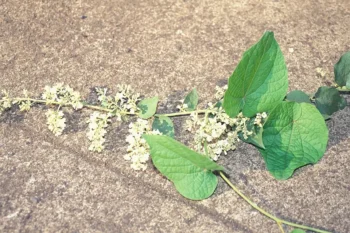
Bridal Bouquet: A Lesser-Known Tropical Perennial
If you’ve stumbled across the name bridal bouquet while browsing plant catalogs or gardening forums, you might be wondering about this intriguingly named plant. Scientifically known as Poranopsis paniculata, this perennial herb has found its way into some Florida and Puerto Rico gardens, though it remains somewhat of a mystery in the broader gardening world.
What Exactly Is Bridal Bouquet?
Bridal bouquet is a non-native perennial that belongs to the forb category – essentially, it’s a soft-stemmed plant without the woody tissue you’d find in shrubs or trees. Originally introduced from elsewhere (likely tropical Asia, based on its botanical relatives), this plant has established itself in the wild in Florida and Puerto Rico, where it reproduces on its own without human intervention.
You might also encounter this plant listed under its synonym, Porana paniculata, which can add to the confusion when trying to research it.
Where Does It Grow?
Currently, bridal bouquet has been documented growing in Florida and Puerto Rico, suggesting it thrives in warm, tropical to subtropical climates. This limited geographic distribution gives us clues about its preferred growing conditions, even though specific cultivation information is surprisingly scarce.
- Species observed
- No observations
Should You Plant Bridal Bouquet?
Here’s where things get a bit tricky. While bridal bouquet isn’t listed as invasive or harmful, there’s remarkably little information available about this specific plant. This lack of detailed growing information, combined with its non-native status, might give gardeners pause.
If you’re drawn to the romantic name and are gardening in zones 9-11 (based on its current distribution), you might be able to grow it successfully. However, the limited available information means you’d essentially be experimenting.
Growing Conditions and Care
Based on its geographic distribution and plant type, bridal bouquet likely prefers:
- Warm, humid conditions typical of tropical and subtropical regions
- USDA hardiness zones 9-11
- Protection from frost and freezing temperatures
- Regular moisture (though specific watering needs are unknown)
Unfortunately, specific details about soil preferences, light requirements, fertilization needs, and propagation methods aren’t readily available for this particular species.
Consider Native Alternatives Instead
Given the limited information about bridal bouquet and its non-native status, you might want to consider native alternatives that can provide similar benefits to your local ecosystem. Depending on your location, native flowering perennials can offer:
- Better support for local wildlife and pollinators
- Proven performance in your local climate
- More readily available growing information
- Reduced risk of unexpected spreading or other issues
Check with your local native plant society or extension office for recommendations of native perennials that might give you that delicate, bridal bouquet aesthetic you’re seeking.
The Bottom Line
Bridal bouquet remains something of an enigma in the gardening world. While it’s established itself in certain warm climates, the lack of detailed cultivation information makes it a risky choice for most gardeners. If you’re specifically interested in this plant, you might have better luck researching its synonym, Porana paniculata, or consulting with tropical plant specialists.
For most gardeners, exploring native alternatives will likely yield better results and contribute more positively to local ecosystems. Sometimes the most beautiful gardens are built with plants that are perfectly suited to call your area home.