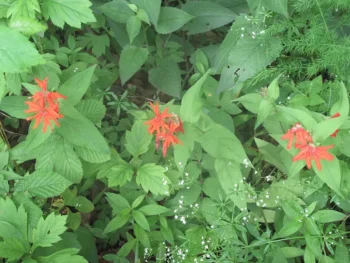
Brilliant Campion: A Lesser-Known Garden Perennial
If you’ve stumbled across the name brilliant campion in your gardening research, you might be wondering what exactly this plant is and whether it deserves a spot in your garden. Lychnis fulgens, commonly known as brilliant campion, is one of those plants that seems to fly under the radar in the gardening world – and there might be good reasons for that.
What is Brilliant Campion?
Brilliant campion is a perennial forb, which simply means it’s a non-woody flowering plant that comes back year after year. Like other plants in the campion family, it likely produces colorful blooms that give it the brilliant part of its name. However, this particular species is something of a mystery plant in the gardening world, with limited information available about its specific characteristics and growing requirements.
Native Status and Geographic Distribution
Here’s where things get interesting (and a bit concerning for native plant enthusiasts): brilliant campion is not native to North America. It’s classified as an introduced species that has naturalized and can reproduce on its own in the wild. Currently, it’s documented as growing in Pennsylvania, though its full range may be broader.
- Species observed
- No observations
Should You Plant Brilliant Campion?
This is where the plot thickens. While brilliant campion isn’t listed as invasive or noxious, the lack of detailed information about this species raises some red flags for gardeners who want to make informed decisions. When a plant species has limited documentation about its growing habits, ecological impact, and garden performance, it might be wise to proceed with caution.
Consider Native Alternatives Instead
Rather than taking a gamble on brilliant campion, why not explore some fantastic native alternatives that offer similar benefits? Here are some wonderful native plants that might scratch that same gardening itch:
- Wild bergamot (Monarda fistulosa) – attracts pollinators and has aromatic foliage
- Purple coneflower (Echinacea purpurea) – beautiful blooms and excellent for wildlife
- Wild columbine (Aquilegia canadensis) – delicate flowers and native charm
- Cardinal flower (Lobelia cardinalis) – brilliant red blooms that hummingbirds adore
What We Don’t Know
Unfortunately, there’s a lot we don’t know about brilliant campion, including:
- Specific growing conditions and care requirements
- USDA hardiness zones
- Mature size and growth rate
- Pollinator and wildlife benefits
- Potential invasive tendencies
The Bottom Line
While brilliant campion might sound intriguing, the lack of readily available information about this species makes it a risky choice for most gardeners. When there are so many well-documented, beautiful native plants available that we know will support local ecosystems and pollinators, why take a chance on an unknown quantity?
If you’re set on growing something in the Lychnis family, consider researching other species with better documentation and known garden performance. Your local native plant society or extension office can help you identify fantastic native alternatives that will give you the brilliant blooms you’re looking for while supporting your local ecosystem.
Remember, the best gardens are built on plants we understand – and right now, brilliant campion remains a bit too mysterious for most gardeners’ comfort zones.