Bristle Bent: A Delicate European Grass for Coastal Gardens
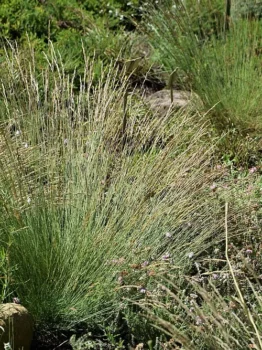
If you’re looking for a fine-textured grass that brings a touch of European coastal charm to your garden, bristle bent (Agrostis curtisii) might just be the perfect addition. This delicate perennial grass, also known by its synonym Agrostis setacea, offers a unique combination of graceful form and resilient nature that makes it a standout choice for specific garden settings.
What Makes Bristle Bent Special?
Bristle bent is a member of the grass family (Poaceae) that produces incredibly fine, narrow leaves and ethereal flower panicles that often display beautiful purple tinges. The overall effect is quite magical – imagine wispy clouds of grass dancing in the breeze, creating movement and texture in your landscape without overwhelming neighboring plants.
Where Does Bristle Bent Come From?
This charming grass calls western and southwestern Europe home, where it thrives naturally in the Atlantic coastal regions of Britain, Ireland, France, Spain, and Portugal. In these native habitats, it has adapted to challenging coastal conditions, developing the resilience that makes it such an interesting garden plant.
Garden Design Possibilities
Bristle bent shines in several garden scenarios:
- Coastal gardens: Its natural coastal heritage makes it perfect for seaside landscapes
- Mediterranean-style gardens: Pairs beautifully with other drought-tolerant plants
- Naturalistic plantings: Adds authentic wild-grass texture to prairie-style designs
- Rock gardens: Its fine texture provides excellent contrast to bold stone features
- Ornamental grass borders: Works wonderfully as a delicate counterpoint to larger grasses
Growing Conditions and Care
One of bristle bent’s most appealing qualities is its relatively low-maintenance nature. Here’s what this grass needs to thrive:
Soil Requirements: Well-drained, acidic soils work best. This grass absolutely cannot tolerate waterlogged conditions, so good drainage is non-negotiable.
Light Needs: Full sun to partial shade – it’s quite adaptable to different light conditions.
Water Requirements: Once established, bristle bent is pleasantly drought tolerant, making it an excellent choice for water-wise gardening.
Climate Considerations: Hardy in USDA zones 7-9, this grass prefers temperate to mild climates and may struggle in extreme heat or cold.
Planting and Maintenance Tips
Getting bristle bent established in your garden is refreshingly straightforward:
- Plant in spring after the last frost date
- Space plants 12-18 inches apart to allow for natural spreading
- Water regularly during the first growing season to establish roots
- Cut back in late winter or early spring before new growth begins
- Be aware that this grass may self-seed in favorable conditions
Wildlife and Ecological Value
While bristle bent is wind-pollinated and doesn’t offer direct nectar benefits to pollinators, it does provide valuable habitat structure for small wildlife. The fine foliage can shelter beneficial insects, and the seeds may attract small birds in late summer and fall.
Is Bristle Bent Right for Your Garden?
This grass works best for gardeners who:
- Appreciate subtle, fine-textured plants over bold statement pieces
- Garden in coastal or Mediterranean-climate regions
- Want low-maintenance plants that look after themselves
- Enjoy naturalistic or wild-style garden designs
- Have well-drained, acidic soil conditions
However, bristle bent might not be the best choice if you’re looking for a grass that provides significant wildlife benefits or if you garden in areas with heavy clay soil or extreme climates outside zones 7-9.
The Bottom Line
Bristle bent offers a unique opportunity to add European coastal charm to your garden with minimal fuss. While it may not be native to North America, its non-invasive nature and specific growing requirements make it a reasonable choice for the right garden situation. If you’re drawn to its delicate beauty and can provide the well-drained, acidic conditions it prefers, this graceful grass might just become one of your garden’s most enchanting residents.