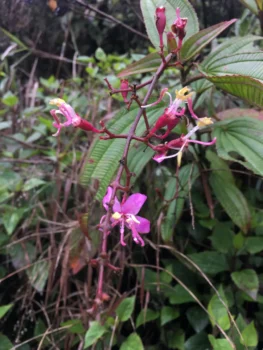
Bristletips (Oxyspora paniculata): A Non-Native Shrub in Hawaiian Gardens
If you’ve stumbled across the name bristletips while researching plants for your Hawaiian garden, you’ve discovered Oxyspora paniculata—a perennial shrub that has quietly made itself at home in the islands. While not originally from Hawaii, this woody plant has established itself in the local landscape, though it might not be the first choice for native plant enthusiasts.
What Exactly Are Bristletips?
Bristletips, scientifically known as Oxyspora paniculata, is a multi-stemmed shrub that typically grows less than 13-16 feet tall. Like most shrubs, it develops several stems from near the ground, creating that classic bushy appearance we associate with this plant form. As a perennial, you can expect this plant to stick around year after year once established.
Where You’ll Find Bristletips Growing
Currently, Oxyspora paniculata has been documented growing in Hawaii, where it reproduces on its own in wild areas without human intervention. This hardy little shrub has proven it can persist in Hawaiian conditions, establishing itself as part of the naturalized flora.
- Species observed
- No observations
Native Status: The Not-So-Local Story
Here’s where things get interesting—bristletips isn’t actually native to Hawaii. This shrub is an introduced species that likely originated from Southeast Asia. While it has successfully established itself in Hawaiian ecosystems and reproduces spontaneously, it’s important to understand that supporting native Hawaiian plants is generally better for local wildlife and ecosystem health.
Growing Conditions and Habitat Preferences
According to wetland classification data, bristletips has a facultative upland status in Hawaii. In plain English, this means:
- It usually prefers non-wetland areas
- It can occasionally tolerate wetland conditions
- It’s most comfortable in drier, upland sites
Unfortunately, specific growing requirements, preferred soil types, and detailed care instructions for Oxyspora paniculata are not well-documented in readily available horticultural sources.
Should You Plant Bristletips in Your Garden?
This is where garden planning gets a bit nuanced. While bristletips isn’t currently listed as invasive or noxious, its non-native status means it doesn’t provide the same ecological benefits as indigenous Hawaiian plants. If you’re passionate about supporting local ecosystems and native wildlife, you might want to consider native Hawaiian alternatives instead.
Some excellent native Hawaiian shrubs to consider include:
- ʻAʻaliʻi (Dodonaea viscosa)
- Naupaka (Scaevola taccada)
- ʻIlima (Sida fallax)
- Pukiawe (Leptecophylla tameiameiae)
The Bottom Line for Hawaiian Gardeners
While Oxyspora paniculata has proven it can thrive in Hawaiian conditions, the lack of detailed growing information and its non-native status make it a questionable choice for most gardeners. If you’re looking to create a landscape that truly supports Hawaiian ecosystems, native plants will always be your best bet.
However, if you encounter bristletips already growing on your property, there’s no urgent need to remove it—just consider gradually replacing it with native species that will better serve local pollinators and wildlife as you redesign your landscape over time.
Remember, every plant choice is an opportunity to support the unique and beautiful native ecosystems that make Hawaii so special!