Bristly Oxtongue: A Rough-and-Tumble Annual with Yellow Blooms
If you’ve ever encountered a plant that seems determined to grab your attention (and your clothing) with its bristly, rough texture, you might have met bristly oxtongue. This hardy annual, scientifically known as Picris echioides, is one of those plants that gardeners either learn to appreciate or spend their time trying to remove. Let’s dive into what makes this distinctive forb tick and whether it deserves a spot in your landscape.
What Exactly Is Bristly Oxtongue?
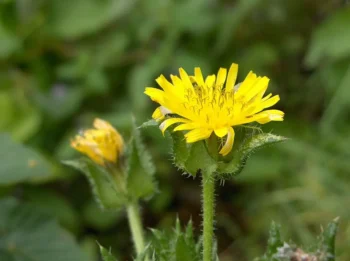
Bristly oxtongue is an annual forb belonging to the sunflower family. True to its name, this plant is covered in stiff, bristly hairs that give it a notably rough texture. The plant produces cheerful yellow, daisy-like flowers that bloom throughout much of the growing season, creating bright splashes of color in areas where it establishes.
As a non-native species originally from the Mediterranean region and parts of Europe, bristly oxtongue has made itself at home across much of North America. It’s one of those plants that doesn’t need an invitation – it reproduces readily on its own and has established persistent populations in both Canada and the United States.
Where You’ll Find It Growing
Bristly oxtongue has spread widely across North America, establishing itself in numerous states and provinces including Alberta, British Columbia, California, Ontario, Connecticut, Illinois, Massachusetts, Oregon, Washington, and many others. It’s particularly common along roadsides, in disturbed areas, and in places where the soil has been disrupted.
- Species observed
- No observations
The Garden Reality Check
Here’s where we need to have an honest conversation: bristly oxtongue isn’t typically something you’d find at your local garden center, and there’s a good reason for that. While it does have some redeeming qualities, it’s generally considered more of a weedy species than a desirable garden plant.
Growing Conditions and Hardiness
If bristly oxtongue does end up in your garden (whether invited or not), you’ll find it’s remarkably adaptable:
- Thrives in full sun conditions
- Tolerates poor, disturbed soils
- Handles drought conditions well once established
- Shows varying wetland preferences depending on region – facultative in western areas, preferring upland sites in most other regions
- Self-seeds readily without assistance
The Pollinator Perspective
One positive aspect of bristly oxtongue is that its yellow flowers do provide nectar and pollen for various pollinators, including bees and butterflies. During its blooming period, you might notice these beneficial insects visiting the flowers, especially in areas where other floral resources are limited.
To Plant or Not to Plant?
Given its weedy nature and non-native status, most gardeners would be better served by choosing native alternatives that provide similar benefits without the potential drawbacks. If you’re looking for yellow-flowered native plants that support pollinators, consider options like:
- Native sunflowers (Helianthus species)
- Goldenrods (Solidago species)
- Black-eyed Susan (Rudbeckia species)
- Native asters with yellow blooms
These alternatives will give you beautiful flowers while supporting your local ecosystem more effectively.
Managing Bristly Oxtongue
If bristly oxtongue has already established itself in your landscape, you have several options. As an annual, it completes its life cycle in one growing season, so preventing seed production can help control future populations. Hand-pulling is effective for small numbers of plants (just wear gloves due to those bristly hairs!), and mowing before seed set can reduce spread.
The Bottom Line
While bristly oxtongue is a hardy, adaptable plant with some pollinator value, it’s not typically a plant that gardeners actively seek out. Its rough texture, weedy growth habit, and non-native status make it less desirable than many alternatives. If you’re planning your garden, you’ll likely find better options among native species that provide similar benefits while supporting your local ecosystem more effectively.
That said, if you encounter this distinctive plant in the wild, you can appreciate it for what it is – a resilient species that adds its own rough-around-the-edges character to disturbed landscapes, complete with cheerful yellow blooms that don’t give up easily.