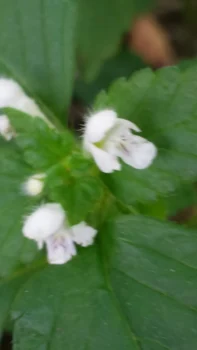
Brittlestem Hempnettle: An Invasive Species to Avoid in Your Garden
If you’ve spotted a square-stemmed plant with purple-pink flowers growing wild in your garden or local area, you might be looking at brittlestem hempnettle (Galeopsis tetrahit). While this annual forb might seem harmless enough, it’s actually an invasive species that North American gardeners should avoid planting—and actively remove when found.
What is Brittlestem Hempnettle?
Brittlestem hempnettle is a non-native annual forb that belongs to the mint family. As a forb, it’s an herbaceous plant without woody tissue that completes its entire life cycle in a single growing season. The plant gets its name from its characteristic brittle, square stems and its resemblance to hemp plants, though it’s not actually related to hemp.
Where Does It Come From and Where Is It Now?
Originally native to Europe and western Asia, brittlestem hempnettle has unfortunately made itself at home across much of North America. This invasive species now grows wild throughout Canada (including Alberta, British Columbia, Manitoba, New Brunswick, Nova Scotia, Ontario, Prince Edward Island, Quebec, Saskatchewan, Northwest Territories, Newfoundland, and Labrador) and has spread across numerous U.S. states from Alaska to Louisiana.
- Species observed
- No observations
Why You Should Avoid This Plant
Here’s where things get serious: brittlestem hempnettle isn’t just non-native—it’s classified as invasive in several regions. In Wisconsin, it carries a Restricted invasive status, while Alaska has gone even further, listing it as a Prohibited noxious weed. These classifications exist for good reason.
This aggressive spreader reproduces spontaneously in the wild and tends to persist once established. It can quickly overtake native plant communities, disrupting local ecosystems and crowding out the indigenous plants that native wildlife depends on for food and shelter.
How to Identify Brittlestem Hempnettle
Knowing how to spot this invasive species is crucial for removal efforts:
- Square, brittle stems that break easily when bent
- Opposite, serrated leaves
- Small purple-pink flowers arranged in whorls around the stem
- Annual growth habit (completes life cycle in one year)
- Typically grows as a forb without woody tissue
Where It Likes to Grow
Brittlestem hempnettle has a Facultative Upland wetland status across all regions, meaning it usually prefers non-wetland areas but can tolerate some moisture. This adaptability is part of what makes it such a successful invader—it’s not particularly picky about growing conditions and can establish itself in various habitats.
What to Do If You Find It
If you discover brittlestem hempnettle on your property, the best course of action is removal. Since it’s an annual, preventing it from setting seed is crucial to stopping its spread. Hand-pulling before the plant flowers is often effective, especially when the soil is moist.
Better Native Alternatives
Instead of allowing this invasive species to persist, consider replacing it with native plants that provide similar aesthetic appeal but support local ecosystems. Native wildflowers and forbs in your region will offer better wildlife benefits and won’t pose the ecological risks associated with invasive species.
While brittlestem hempnettle might seem like just another wildflower, its invasive nature makes it a plant that’s better left out of North American gardens. By choosing native alternatives instead, you’ll be supporting local wildlife while avoiding contributing to the spread of this problematic species.