Briza subaristata: The Delicate Dancing Grass for Your Garden
If you’re looking for a grass that brings movement and whimsy to your landscape, Briza subaristata might just be the perfect addition to your garden. This charming ornamental grass, also known by its botanical synonyms Briza stricta, Briza triloba, and Chascolytrum subaristatum, offers a unique aesthetic that’s hard to resist.
What Makes This Grass Special?
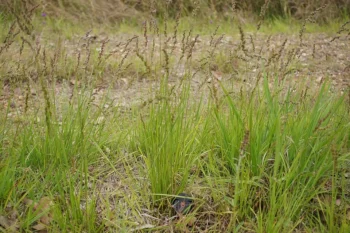
Briza subaristata is beloved by gardeners for its delicate, heart-shaped seed heads that dance and quiver with the slightest breeze. These distinctive seedheads create a mesmerizing display that adds both visual interest and gentle movement to any garden space. The grass produces these ornamental features on slender stems, creating an almost ethereal quality in the landscape.
Where Does It Come From?
This ornamental grass is native to South America, with its natural range spanning Argentina, Chile, and southern Brazil. In its homeland, it thrives in various habitats, from grasslands to open woodlands, which gives us clues about how adaptable it can be in cultivation.
Growing Conditions and Care
One of the best things about Briza subaristata is how relatively easy it is to grow. Here’s what you need to know:
- Sunlight: Thrives in full sun to partial shade
- Soil: Prefers well-drained soils but is quite adaptable
- Water: Drought tolerant once established, making it perfect for water-wise gardens
- Climate: Hardy in USDA zones 7-10
Planting and Maintenance Tips
Getting started with this grass is refreshingly straightforward:
- Plant in spring after the last frost date
- Space plants about 12-18 inches apart for good air circulation
- Water regularly during the first growing season to establish roots
- Cut back in late winter or early spring before new growth begins
- Be aware that this grass self-seeds readily, which can be either a blessing or something to manage depending on your garden goals
Garden Design Ideas
Briza subaristata works wonderfully as an accent plant in various garden settings. It’s particularly at home in Mediterranean-style gardens, drought-tolerant landscapes, and ornamental grass collections. The delicate texture contrasts beautifully with broader-leafed perennials, and its movement adds life to more static plantings.
Wildlife Considerations
As a wind-pollinated grass, Briza subaristata doesn’t offer significant direct benefits to pollinators like bees and butterflies. However, the seeds may provide food for some bird species, and the grass structure can offer shelter for small wildlife.
Should You Plant It?
While Briza subaristata can be a lovely addition to gardens in appropriate climates, it’s worth considering native grass alternatives that might offer greater ecological benefits. If you’re in North America, look for native ornamental grasses like little bluestem (Schizachyrium scoparium) or buffalo grass (Poaceae bouteloua) that can provide similar aesthetic appeal while supporting local ecosystems.
That said, if you choose to grow Briza subaristata, you’ll likely find it to be a delightful, low-maintenance addition that brings a touch of South American grassland charm to your landscape. Just keep an eye on its self-seeding tendencies to ensure it stays where you want it!