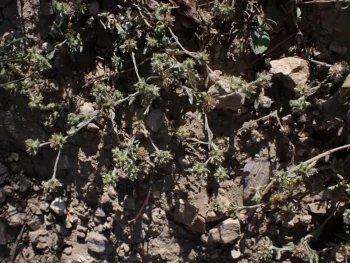
Broadleaf Cottonrose: A Naturalized Annual for Wild Gardens
If you’re looking for a low-maintenance annual that thrives in tough conditions, broadleaf cottonrose (Filago pyramidata) might catch your attention. This unassuming little plant has quietly made itself at home in parts of North America, though it originally hails from much farther away. Let’s explore what makes this woolly wildflower tick and whether it deserves a spot in your garden.
What is Broadleaf Cottonrose?
Broadleaf cottonrose is a small annual forb—basically a non-woody herbaceous plant that completes its life cycle in one growing season. You might also see it listed under its synonyms Filago germanica or Filago pyramidata var. pyramidata in older botanical references. This fuzzy little plant belongs to the sunflower family and has a distinctly woolly, grayish appearance that helps it stand out from other small wildflowers.
Native Status and Where You’ll Find It
Here’s the thing about broadleaf cottonrose: it’s not actually native to North America. This European native has naturalized in parts of our continent, meaning it reproduces on its own in the wild without human intervention. Currently, you’ll find established populations in British Columbia, Canada, and California.
- Species observed
- No observations
The plant originally comes from Mediterranean regions and parts of Europe, where it’s been growing wild for centuries. Its ability to establish itself so far from home speaks to its adaptability and resilience.
What Does It Look Like?
Don’t expect broadleaf cottonrose to win any beauty contests in the traditional sense. This is a plant that’s more about subtle charm than showstopping blooms. The entire plant has a soft, woolly texture and grayish-green color that almost looks like it’s been dusted with fine cotton. Its tiny yellowish flower heads are clustered together and quite inconspicuous—you might walk right past them without noticing.
The plant stays relatively small and compact, making it more of a ground-level presence than a vertical accent in the garden landscape.
Garden Role and Landscape Use
Broadleaf cottonrose isn’t your typical ornamental garden star, but it has its place in certain types of landscapes. It works well in:
- Wild or naturalized garden areas
- Mediterranean-style gardens that emphasize drought-tolerant plants
- Areas where you want low-maintenance groundcover
- Gardens designed to attract beneficial insects
Think of it as a supporting player rather than the main attraction—it adds texture and fills in spaces while providing habitat for small beneficial insects.
Growing Conditions and Care
One of broadleaf cottonrose’s best qualities is its easygoing nature. This plant thrives in conditions that might stress out more finicky species:
- Sunlight: Prefers full sun exposure
- Soil: Tolerates poor soils and needs well-drained conditions
- Water: Drought tolerant once established
- USDA Hardiness Zones: Approximately zones 8-10
The minimal care requirements make this an excellent choice for low-maintenance gardens or areas where you want something growing but don’t want to fuss over it constantly.
Planting and Maintenance Tips
If you decide to grow broadleaf cottonrose, here’s what you need to know:
- Plant in spring after the last frost date
- Choose a sunny spot with well-draining soil
- Don’t overwater—this plant prefers to stay on the dry side
- Little to no fertilization needed
- Allow plants to self-seed if you want them to return next year
Benefits for Pollinators and Wildlife
While broadleaf cottonrose may not be a pollinator magnet like native wildflowers, it does provide some benefits for small insects and beneficial arthropods. The tiny flowers offer nectar and pollen resources, particularly for smaller native bees and other beneficial insects that often get overlooked in garden planning.
Should You Plant It?
The decision to grow broadleaf cottonrose comes down to your gardening goals and philosophy. Since it’s a non-native plant that has naturalized in limited areas, it occupies a middle ground—it’s not aggressively invasive, but it’s also not contributing to native ecosystem support in the same way indigenous plants would.
If you’re drawn to its low-maintenance nature and drought tolerance, consider exploring native alternatives that offer similar benefits while supporting local ecosystems. Many regions have native annual wildflowers that are equally tough and require minimal care.
That said, if you already have broadleaf cottonrose growing in your area and want to include some in a naturalized garden setting, it can serve as a useful filler plant that won’t demand much attention or resources.
The Bottom Line
Broadleaf cottonrose is one of those quiet, unassuming plants that does its job without fanfare. While it may not be the most exciting addition to your garden palette, it offers reliable performance in challenging conditions and adds subtle texture to wild garden spaces. Just remember to balance non-native additions with plenty of native plants that will provide maximum benefit to your local ecosystem.