Broadleaf False Carrot: A Delicate Annual for Naturalistic Gardens
If you’re drawn to delicate, lacy flowers and fine-textured foliage, you might find yourself curious about broadleaf false carrot (Turgenia latifolia). This charming annual herb brings a touch of wild meadow magic to gardens, though it comes with some important considerations for the environmentally-conscious gardener.
What is Broadleaf False Carrot?
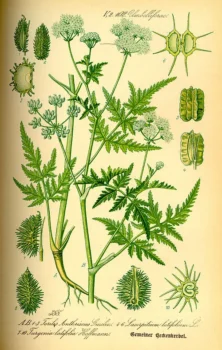
Broadleaf false carrot is an annual forb in the carrot family, recognizable by its small white umbel flowers and finely divided leaves. Despite its common name, it’s not actually a carrot at all – it just happens to be a distant relative that shares the characteristic umbrella-shaped flower clusters. You might also see it listed under its synonym, Caucalis latifolia.
As a non-native species originally from the Mediterranean region and parts of Europe, broadleaf false carrot has established itself in scattered locations across the United States. Currently, you’ll find naturalized populations in Oregon, Pennsylvania, and Washington, where it reproduces on its own without human assistance.
- Species observed
- No observations
Garden Appeal and Landscape Role
This delicate annual typically reaches 1-3 feet in height, creating an airy, fine-textured presence in the garden. Its small white flowers bloom in characteristic flat-topped clusters called umbels, which add a soft, naturalistic touch to plantings. The finely divided foliage provides interesting texture even when the plant isn’t in bloom.
Broadleaf false carrot works best in:
- Naturalistic wildflower plantings
- Informal cottage gardens
- Areas where you want to create a meadow-like feel
- Mixed annual displays with other fine-textured plants
Growing Conditions and Care
One of the appealing aspects of broadleaf false carrot is its undemanding nature. This hardy annual thrives in full sun and well-drained soils, and it’s surprisingly tolerant of poor growing conditions. In fact, it often performs better in lean soils than in rich, heavily fertilized beds.
For successful growing:
- Choose a sunny location with good drainage
- Direct seed in fall or early spring when soil can be worked
- Barely cover seeds as they need some light to germinate
- Water lightly until established, then rely on natural rainfall
- Avoid over-fertilizing, which can lead to excessive foliage at the expense of flowers
Wildlife and Pollinator Benefits
The small umbel flowers of broadleaf false carrot attract various beneficial insects, including small bees, beneficial wasps, and other pollinators that appreciate the easily accessible nectar and pollen. While not a powerhouse pollinator plant, it can contribute to the overall diversity of resources available to garden visitors.
Important Considerations
While broadleaf false carrot isn’t currently classified as invasive in most areas, it’s worth remembering that it is a non-native species with the ability to self-seed and spread. As responsible gardeners, we should always consider the impact of our plant choices on local ecosystems.
Native Alternatives to Consider
Before adding broadleaf false carrot to your garden, consider these beautiful native alternatives that provide similar delicate texture and pollinator benefits:
- Wild bergamot (Monarda species) for aromatic foliage and pollinator appeal
- Native wild carrots like Queen Anne’s lace (Daucus carota) where appropriate
- Yarrow (Achillea millefolium) for similar flat-topped flower clusters
- Regional native umbel flowers specific to your area
The Bottom Line
Broadleaf false carrot offers delicate beauty and easy care for gardeners interested in naturalistic plantings. While it’s not inherently problematic, choosing native alternatives will better support your local ecosystem and provide similar aesthetic appeal. If you do decide to grow it, enjoy its subtle charm while keeping an eye on its spread and considering native options for future plantings.
Remember, the most beautiful gardens are those that work in harmony with their local environment – and there are always wonderful native plants waiting to be discovered that can fulfill the same role in your landscape design.