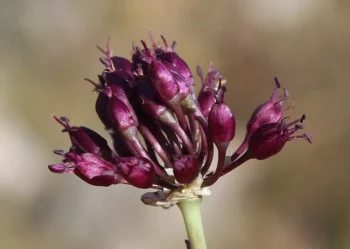
Broadleaf Wild Leek: A Mediterranean Beauty in American Gardens
Meet the broadleaf wild leek (Allium atroviolaceum), a charming perennial that’s been quietly making itself at home in scattered pockets across the southeastern and midwestern United States. While it might not be a native son, this Mediterranean transplant has some qualities that might just win over your gardening heart.
What Exactly Is Broadleaf Wild Leek?
Broadleaf wild leek is a herbaceous perennial bulb belonging to the onion family. Don’t let the wild in its name fool you—this plant is actually a non-native species that originally hails from the eastern Mediterranean region. It’s also known scientifically as Allium atroviolaceum, and you might occasionally see it listed under its synonym, Allium ampeloprasum var. atroviolaceum.
As a forb (basically a fancy term for a non-woody flowering plant), it dies back to its underground bulb each winter and returns with fresh growth in spring, making it a reliable perennial addition to gardens in the right climate zones.
Where You’ll Find It Growing
Currently, broadleaf wild leek has established populations in five states across the southeastern and south-central regions: Illinois, Kentucky, North Carolina, South Carolina, and Virginia. It’s worth noting that this species has naturalized in these areas, meaning it reproduces on its own without human intervention and has become part of the local flora.
- Species observed
- No observations
The Garden Appeal
So what makes this Mediterranean import worth considering? The broadleaf wild leek produces attractive clusters of purple-violet flowers arranged in dense, spherical umbels that sit atop sturdy stems. These eye-catching blooms typically appear in late spring to early summer, creating lovely focal points in the garden.
The plant’s foliage is broader than many of its Allium cousins (hence the broadleaf common name), and like most members of the onion family, it has that characteristic onion-like appearance and smell when crushed.
Pollinator Magnet
One of the strongest arguments for including broadleaf wild leek in your garden is its appeal to pollinators. The nectar-rich flowers are particularly attractive to bees, butterflies, and other beneficial insects. If you’re working to create a pollinator-friendly landscape, this plant can certainly pull its weight in that department.
Growing Conditions and Care
Broadleaf wild leek is surprisingly adaptable and relatively low-maintenance once established. Here’s what it prefers:
- Sunlight: Full sun to partial shade
- Soil: Well-draining soil is essential; it won’t tolerate waterlogged conditions
- Water: Drought tolerant once established, though it appreciates moderate moisture during growing season
- Climate: Hardy in USDA zones 6-9
Planting and Maintenance Tips
If you decide to give broadleaf wild leek a try, here are some practical growing tips:
- Plant bulbs in fall for spring emergence
- Space bulbs about 4-6 inches apart
- Allow the foliage to die back naturally after flowering—this feeds the bulb for next year’s growth
- Divide overcrowded clumps every 3-4 years to maintain vigor
- Works well in rock gardens, Mediterranean-style landscapes, or naturalized areas
The Native Alternative Consideration
While broadleaf wild leek isn’t considered invasive in most areas where it’s established, it’s worth remembering that it’s not native to North America. If you’re focused on supporting local ecosystems, you might consider native alternatives that provide similar benefits.
Native options that offer comparable garden appeal and pollinator benefits include wild garlic (Allium canadense), nodding onion (Allium cernuum), or wild leek/ramps (Allium tricoccum), depending on your region and growing conditions.
The Bottom Line
Broadleaf wild leek occupies an interesting middle ground in the gardening world. It’s not native, but it’s also not aggressively invasive in most situations. It offers genuine benefits to pollinators and adds Mediterranean charm to gardens in suitable climates. Whether you choose to grow it may depend on your personal gardening philosophy and how much you prioritize native species.
If you do decide to grow it, you’ll likely find it to be a reliable, attractive, and relatively carefree addition to your garden palette. Just remember to source your bulbs responsibly and consider complementing them with native alternatives to create a balanced, ecosystem-friendly landscape.