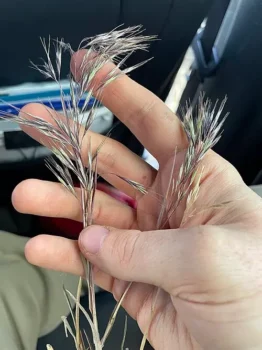
Understanding Brome Grass: What Every Gardener Should Know
If you’ve ever wondered about those grassy weeds popping up in your garden, you might be looking at brome (Bromus). This annual grass has quite the reputation among gardeners – and not always for the right reasons. Let’s dive into what makes this plant tick and whether it deserves a spot in your landscape.
What Exactly Is Brome?
Brome, scientifically known as Bromus, is an annual grass that’s become incredibly widespread across North America. You’ll find this adaptable plant growing throughout all 50 U.S. states, every Canadian province, and even in territories from Alaska to Nunavut. Talk about a world traveler!
The thing is, brome isn’t playing by the native plant rulebook everywhere it grows. In places like Greenland, Hawaii, and various Pacific Basin locations, it’s considered a non-native species that’s made itself quite at home – reproducing spontaneously and persisting without any human help.
- Species observed
- No observations
Should You Plant Brome in Your Garden?
Here’s where things get interesting. While brome grass is incredibly hardy and adaptable, it’s generally not the kind of plant you’d intentionally invite into your carefully planned garden space. Most gardeners actually spend time trying to keep it out rather than encouraging it to grow.
Wildlife Value: The Surprising Benefits
Despite its weedy reputation, brome does provide some ecological value:
- Small mammals and water birds get about 5-10% of their diet from brome, though they don’t rely on it heavily for cover
- Large animals and terrestrial birds use it more sparingly, with brome making up only 2-5% of their diet
- While not a wildlife superstar, it does contribute to the overall food web
Growing Conditions and Characteristics
As an annual grass, brome completes its entire life cycle in one growing season. It’s remarkably adaptable to various growing conditions, which explains why it’s managed to establish itself across such a vast geographic range.
The plant’s widespread distribution suggests it can handle diverse climates and soil conditions, from the harsh environments of northern territories to the tropical conditions of Hawaii.
A Better Approach for Your Garden
Instead of intentionally planting brome, consider these alternatives:
- Choose native grasses that are specifically adapted to your local ecosystem
- Look for ornamental grasses that provide better aesthetic value and wildlife benefits
- Consult your local extension office or native plant society for recommendations suited to your specific region
The Bottom Line
While brome grass serves some ecological functions and demonstrates impressive adaptability, it’s not typically a plant you’d want to encourage in your garden. Its tendency to spread and establish itself without invitation, combined with its weedy nature, makes it more of a management challenge than a garden asset.
If you’re passionate about supporting local wildlife and creating a sustainable landscape, focus on native plant species that will provide better long-term benefits for both your garden and the local ecosystem. Your local wildlife – and your future gardening self – will thank you for making that choice!