Brome Fescue: What Every Gardener Should Know About This Common Non-Native Grass
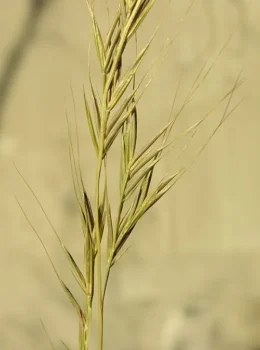
If you’ve ever wondered about those delicate, wispy grass tufts that seem to pop up everywhere in your garden, you might be looking at brome fescue (Vulpia bromoides). This small annual grass has quietly made itself at home across much of North America, and while it’s not native to our continent, it’s become a familiar sight in gardens, disturbed areas, and naturalized spaces.
Getting to Know Brome Fescue
Brome fescue goes by several scientific names – you might also see it listed as Bromus dertonensis, Festuca bromoides, or Vulpia dertonensis in older references. This naming confusion reflects the plant’s somewhat complex botanical history, but don’t let that intimidate you. What matters most is recognizing this grass when you see it.
As an annual grass, brome fescue completes its entire life cycle in one growing season. It forms small, loose tufts with fine-textured foliage and produces delicate seed heads on slender stems. The overall appearance is rather understated – this isn’t a showstopper grass, but rather a subtle presence in the landscape.
Where You’ll Find It
Originally from the Mediterranean region, brome fescue has spread far from its native southern European and North African roots. Today, you can find it established across an impressive range of locations, from Alabama to British Columbia, and from Hawaii to Puerto Rico. It’s particularly common in the western United States, where it thrives in the drier climate conditions.
- Species observed
- No observations
Garden Performance and Growing Conditions
Brome fescue is remarkably adaptable, which explains its widespread distribution. Here’s what you can expect:
- Soil preferences: Thrives in dry, sandy soils but tolerates various soil types
- Sun requirements: Prefers full sun locations
- Water needs: Drought tolerant once established; actually performs better with minimal water
- USDA Zones: Hardy in zones 6-10
The plant’s wetland status varies by region, but it generally prefers upland areas. In most regions, it’s classified as either Obligate Upland or Facultative Upland, meaning it rarely occurs in wetlands and prefers drier conditions.
Should You Plant Brome Fescue?
Here’s where things get interesting. While brome fescue isn’t considered invasive or problematic, it’s also not typically something gardeners plant intentionally. It tends to show up on its own in disturbed areas, along pathways, or in spots where the soil has been recently worked.
For most gardeners, brome fescue falls into the category of plants that happen rather than plants you choose. It’s neither particularly beneficial nor particularly harmful – it’s just there, doing its quiet grass thing.
Wildlife and Ecological Value
As a wind-pollinated grass, brome fescue offers limited benefits to pollinators compared to native flowering plants. While some birds may use the seeds as food, the ecological value is modest compared to native alternatives.
If you’re looking to support local wildlife and ecosystems, consider native grass alternatives such as:
- Buffalo grass (Bouteloua dactyloides) for western regions
- Little bluestem (Schizachyrium scoparium) for prairie-style plantings
- Bunch grasses native to your specific region
Management Tips
If brome fescue appears in your garden uninvited, you have several options:
- Leave it be: If it’s not bothering anything, this low-maintenance grass won’t cause problems
- Hand-pull: Easy to remove when young, especially after rain when soil is soft
- Mow before seed set: Prevents self-seeding if you want to reduce its presence
- Crowd it out: Plant desirable alternatives to outcompete it naturally
The Bottom Line
Brome fescue is one of those plants that exists quietly in the background of North American landscapes. While it’s not native and won’t win any awards for spectacular garden performance, it’s also not causing ecological havoc. If you encounter it in your garden, you can make an informed decision about whether to keep it, remove it, or replace it with native alternatives that better support local wildlife.
For gardeners focused on native plant gardening and supporting local ecosystems, investing in native grasses will provide greater ecological benefits. But if brome fescue has already made itself comfortable in a corner of your garden where nothing else wants to grow, it’s not the worst garden companion you could have.