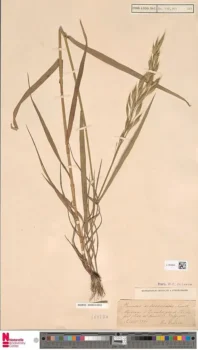
The Mystery Grass: Understanding Bromus bromoideus
Ever stumbled across a plant name that seems to exist in botanical limbo? Meet Bromus bromoideus, a grass species that’s about as elusive as a unicorn in your garden center. While most gardeners are familiar with common brome grasses, this particular species is so rarely documented that finding reliable information about it is like searching for a needle in a haystack.
What We Know (And Don’t Know)
Bromus bromoideus belongs to the brome grass family, making it a monocot grass. It has one documented synonym: Bromus arduennensis Dumort., though even this doesn’t shed much light on its characteristics or origins. The lack of available information about this species raises some important questions for gardeners.
Here’s what remains a mystery:
- Common names (if any exist)
- Native range and distribution
- Growth habits and appearance
- Environmental preferences
- Wildlife or pollinator benefits
- Invasive or conservation status
The Geographic Mystery
Unfortunately, the geographic distribution of Bromus bromoideus is not well-documented in readily available sources. This lack of information makes it difficult to determine where this grass might naturally occur or whether it’s suitable for cultivation in specific regions.
Should You Grow This Grass?
Here’s the honest truth: with so little information available about Bromus bromoideus, it’s nearly impossible to recommend it for home gardens. The lack of documented growing requirements, native status, and potential invasiveness makes it a risky choice for gardeners who want predictable results.
Instead of chasing this botanical ghost, consider these well-documented native grass alternatives:
- Little bluestem (Schizachyrium scoparium) for prairie-style gardens
- Buffalo grass (Poaceae family) for drought-tolerant lawns
- Native fescues for cooler climates
- Regional bunch grasses suited to your specific area
A Word of Caution
Some members of the Bromus genus are known to be invasive in certain regions. Without clear information about Bromus bromoideus’s behavior and characteristics, it’s wise to err on the side of caution. Before introducing any unfamiliar plant species to your garden, research its potential impact on local ecosystems.
The Bottom Line
While Bromus bromoideus may intrigue botanical enthusiasts, the lack of available information makes it an impractical choice for most gardeners. Your time and energy are better spent on well-documented native grasses that will provide reliable beauty, support local wildlife, and contribute positively to your garden ecosystem.
Sometimes the most mysterious plants are mysterious for a reason – they might simply be too rare, too problematic, or too poorly understood to warrant a place in our gardens. In this case, embracing the alternatives might just lead you to discover a new favorite grass that’s both beautiful and well-behaved.