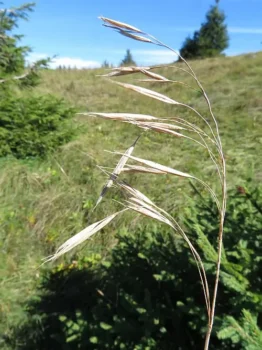
Bromus pannonicus: A Lesser-Known European Brome Grass Worth Knowing
If you’ve ever wondered about the more obscure members of the grass family, Bromus pannonicus might just pique your curiosity. This European native belongs to the brome grass genus, a group known for their distinctive drooping seed heads and adaptable nature. While it’s not exactly a household name in gardening circles, this species has its own quiet charm and interesting botanical story.
What is Bromus pannonicus?
Bromus pannonicus is a grass species native to the Pannonian region of Europe, which includes parts of Hungary, Austria, and Slovakia. You might also see it referenced by its synonyms: Bromus erectus var. vernalis or Bromus vernalis. Like other brome grasses, it’s a wind-pollinated species that produces those characteristic nodding seed heads that dance gracefully in the breeze.
Geographic Distribution and Natural Habitat
This grass calls the temperate regions of central Europe home, particularly thriving in the diverse ecosystems of the Pannonian Basin. It’s adapted to the continental climate of this region, with its hot summers and cold winters.
Should You Consider Growing Bromus pannonicus?
Here’s where things get interesting – and a bit tricky. While Bromus pannonicus isn’t widely available in the nursery trade, it could appeal to certain types of gardeners:
- Botanical enthusiasts interested in European grass species
- Collectors of unusual or rare grasses
- Those creating authentic central European native plant gardens
- Anyone fascinated by the subtle beauty of brome grasses
However, for most North American gardeners, there are probably better native grass options that provide similar aesthetic appeal while supporting local ecosystems.
Growing Conditions and Care
If you do manage to get your hands on seeds or plants of Bromus pannonicus, here’s what you should know about keeping it happy:
Preferred Growing Conditions
- Full sun exposure
- Well-draining soil
- Moderate moisture levels
- USDA hardiness zones 5-8 (estimated based on native range)
Planting and Care Tips
Like most brome grasses, Bromus pannonicus is relatively low-maintenance once established. It’s likely drought-tolerant and doesn’t require rich soil to thrive. The key is providing good drainage and avoiding overly wet conditions.
Wildlife and Ecological Value
As a wind-pollinated grass, Bromus pannonicus doesn’t offer much for pollinators like bees and butterflies. However, in its native range, it may provide seeds for birds and habitat for small creatures. In North American gardens, its ecological value would be limited compared to native grass species.
The Bottom Line
Bromus pannonicus is more of a botanical curiosity than a garden staple. While it has its place in specialized collections or authentic European native plant displays, most gardeners would be better served by choosing native grasses that provide greater ecological benefits and easier availability.
If you’re drawn to the graceful appearance of brome-type grasses, consider exploring native alternatives in your region that offer similar aesthetic appeal while supporting local wildlife and ecosystems. Your local native plant society can help you discover beautiful grass species that are both garden-worthy and ecologically valuable.