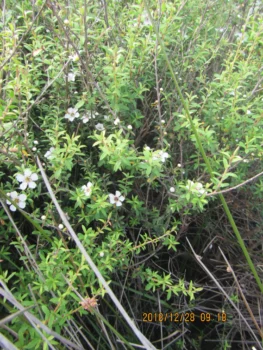
Broom Teatree: A Hardy Shrub for Challenging Garden Spots
If you’re looking for a tough, low-maintenance shrub that can handle coastal conditions and poor soils, the broom teatree (Leptospermum scoparium) might catch your eye. Also known as manuka, this evergreen shrub has earned a reputation for being nearly indestructible once established, making it a go-to choice for gardeners dealing with challenging growing conditions.
What is Broom Teatree?
Broom teatree is a perennial shrub that typically grows as a multi-stemmed woody plant, usually reaching heights of 4 to 5 meters (13 to 16 feet), though it can sometimes grow taller or develop a single stem depending on environmental conditions. This hardy plant produces small, aromatic, needle-like leaves and charming small flowers that are typically white, though pink varieties exist.
Where Does It Come From?
Originally hailing from New Zealand and southeastern Australia, broom teatree is considered a non-native species in Hawaii, where it has established itself and reproduces spontaneously in the wild. In the United States, you’ll primarily find it growing in Hawaii, where it has adapted well to the local climate.
- Species observed
- No observations
Why Gardeners Choose Broom Teatree
There are several compelling reasons why gardeners might consider adding this shrub to their landscape:
- Extreme toughness: Once established, it’s incredibly drought tolerant and can handle poor soils
- Coastal resilience: Tolerates salt spray and windy conditions beautifully
- Attractive flowers: Small but numerous blooms provide seasonal interest and attract pollinators like bees
- Aromatic foliage: The leaves release a pleasant fragrance when brushed against
- Low maintenance: Requires minimal care once established
Garden Roles and Landscape Uses
Broom teatree works well in several landscape situations. It makes an excellent specimen shrub for Mediterranean-style gardens or can be used as an informal hedge. Its tolerance for challenging conditions makes it perfect for coastal gardens, erosion control on slopes, or filling in difficult spots where other plants struggle. It’s particularly well-suited for low-water gardens and naturalistic landscapes.
Growing Conditions and Care
This shrub thrives in USDA hardiness zones 9-11, making it suitable for warmer climates. Here’s what broom teatree needs to flourish:
- Sunlight: Full sun to partial shade (full sun preferred for best flowering)
- Soil: Well-draining soil is essential; tolerates poor, rocky, or sandy soils
- Water: Regular watering until established, then drought tolerant
- Wetland tolerance: Facultative – can grow in both wetland and non-wetland conditions
Planting and Care Tips
Getting your broom teatree off to a good start is straightforward:
- Plant in well-draining soil – this is non-negotiable for success
- Water regularly for the first growing season to help establish roots
- Once established, reduce watering frequency significantly
- Prune lightly after flowering to maintain shape if desired
- No fertilization typically needed in most soils
A Word About Native Alternatives
While broom teatree can be a useful addition to challenging garden spots, it’s worth considering native alternatives that might provide similar benefits while supporting local ecosystems. Depending on your location, native shrubs adapted to your specific region may offer comparable toughness and beauty while providing better habitat value for local wildlife.
The Bottom Line
Broom teatree earns its keep through sheer reliability and adaptability. If you have a tough spot in your garden where other plants have failed, or if you’re gardening in coastal conditions, this shrub might be worth considering. Just remember to source plants responsibly and consider native alternatives that might serve your landscape needs while supporting local biodiversity.