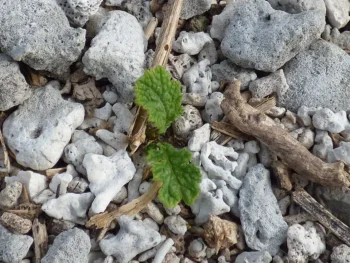
Brown Mustard: A Fast-Growing Annual with Yellow Blooms
If you’re looking for a quick-growing plant that adds a splash of bright yellow to your garden, brown mustard (Brassica juncea) might catch your eye. Also known as India mustard, this annual herb has been making itself at home across North America, though it originally hails from much farther away.
What is Brown Mustard?
Brown mustard is a non-native annual plant that has spread far and wide since its introduction to North America. Originally from Central Asia, this member of the mustard family has established itself from coast to coast, reproducing spontaneously in the wild across the United States, Canada, and even in Alaska, Hawaii, Puerto Rico, and the U.S. Virgin Islands.
This hardy annual can reach up to 4 feet tall with an erect, single-crown growth form. Its coarse-textured, dark green foliage provides a backdrop for clusters of small, bright yellow flowers that appear in early spring.
Where Does Brown Mustard Grow?
Brown mustard has quite the geographical footprint! You’ll find it growing across virtually every U.S. state and Canadian province, from Alabama to Alberta, and from California to Nova Scotia. It’s adapted to a wide range of climates and conditions, which explains its impressive distribution.
- Species observed
- No observations
Important Considerations Before Planting
Before you decide to grow brown mustard, there are a few things to keep in mind. While it’s not widely classified as invasive, Alaska has designated it as a restricted noxious weed. If you’re gardening in Alaska, you’ll want to skip this plant entirely and look for alternatives.
Since brown mustard is non-native, consider exploring native mustard family alternatives that can provide similar benefits while supporting local ecosystems. Native plants typically offer better support for local wildlife and pollinators.
Growing Brown Mustard Successfully
If you decide to grow brown mustard, here’s what you need to know:
Growing Conditions
- Soil: Prefers fine to medium-textured soils with a pH between 6.0-7.2
- Sun exposure: Full sun (shade intolerant)
- Water needs: Medium moisture requirements with low drought tolerance
- Climate: Needs at least 130 frost-free days, can tolerate temperatures down to 17°F
- Hardiness zones: Annual plant suitable for zones 2-11
Planting and Care Tips
- Direct sow seeds in early spring when soil can be worked
- Seeds germinate quickly with high seedling vigor
- Expect rapid growth – this plant doesn’t waste time!
- Provide regular watering, especially during dry spells
- Fertilize with medium fertility requirements in mind
- Plant produces abundant seeds in summer, so deadhead flowers to prevent self-seeding if desired
Garden Role and Design Uses
Brown mustard works well in:
- Vegetable and herb gardens
- Annual flower beds for quick color
- Cutting gardens (flowers and foliage)
- Areas needing temporary groundcover
Its upright growth habit and coarse texture make it a good backdrop plant, while the bright yellow flowers add cheerful spring color. The plant is most conspicuous in fall when going to seed.
Pollinator and Wildlife Benefits
The small yellow flowers do attract pollinators like bees and butterflies during their early spring bloom period. However, as a non-native species, brown mustard doesn’t provide the specialized relationships that native plants offer to local wildlife.
Wetland Considerations
Brown mustard is primarily an upland plant, almost never occurring in wetlands across most regions. In some areas like the Great Plains and Arid West, it may occasionally appear in wetland margins, but it’s not a wetland species.
The Bottom Line
Brown mustard is an easy-to-grow annual that can add quick color and texture to your garden. However, given its non-native status and classification as a noxious weed in Alaska, consider whether native alternatives might better serve your landscape goals. If you do choose to grow it, be mindful of its vigorous self-seeding habit and manage it accordingly. Remember – when in doubt, going native is usually the best choice for supporting local ecosystems!