Buchu: The Aromatic South African Shrub for Your Garden
If you’re looking to add a touch of Mediterranean flair to your garden with an aromatic twist, buchu (Agathosma crenulata) might just be the unique shrub you’ve been searching for. This small but mighty plant brings both fragrance and subtle beauty to specialized garden settings, though it’s definitely not your average backyard shrub.
What Exactly is Buchu?
Buchu is a compact, evergreen shrub that hails from the Western Cape region of South Africa. Also known by its synonym Barosma crenulata, this plant has been valued for centuries for its distinctive aromatic qualities. The name buchu comes from the Khoi word meaning dusty, referring to the powdery texture of its crushed leaves.
Where Does Buchu Come From?
This aromatic shrub is native to the fynbos regions of South Africa’s Western Cape, where it thrives in the Mediterranean-like climate among rocky slopes and sandy soils. In its homeland, it’s part of an incredibly diverse ecosystem that has adapted to wet winters and dry summers.
What Does Buchu Look Like?
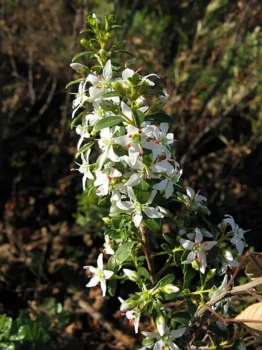
Don’t expect buchu to be a showstopper in the traditional sense. This modest shrub typically grows 2-4 feet tall and wide, forming a neat, rounded shape. Its small, serrated leaves are the real stars – they’re packed with aromatic oils that release a distinctive, somewhat medicinal scent when brushed or crushed. In spring and early summer, tiny white or pale pink flowers appear, creating a delicate display that attracts small pollinators.
Should You Grow Buchu in Your Garden?
Here’s the thing about buchu – it’s definitely a specialist plant. You might want to consider growing it if:
- You’re creating a Mediterranean or drought-tolerant garden
- You love aromatic herbs and unique plant fragrances
- You have excellent drainage and live in USDA zones 9-11
- You’re interested in plants with cultural and historical significance
However, buchu might not be for you if you’re looking for a low-maintenance, high-impact ornamental or if you live in areas with cold winters or heavy, clay soils.
Since buchu isn’t native to North America, you might also consider native alternatives that provide similar benefits, such as native sages (Salvia species) or other aromatic native shrubs that support local ecosystems.
Growing Conditions: What Buchu Needs to Thrive
Buchu is pretty particular about its growing conditions, mimicking its South African homeland:
- Climate: USDA zones 9-11 only – it’s not frost-hardy
- Soil: Well-draining, sandy or rocky soil is essential
- Water: Drought-tolerant once established; prefers dry summers
- Sun: Full sun for best growth and oil production
- Air circulation: Good airflow helps prevent fungal issues
Planting and Care Tips
If you’ve decided buchu is right for your garden, here’s how to give it the best start:
- Plant in spring after the last frost danger has passed
- Improve drainage by adding sand or planting on a slope
- Water regularly the first year, then reduce to occasional deep watering
- Avoid overhead watering to prevent leaf diseases
- Prune lightly after flowering to maintain shape
- In borderline zones, consider container growing for winter protection
Benefits for Pollinators and Wildlife
While buchu won’t support native wildlife in the same way indigenous plants do, its small flowers do provide nectar for bees and other small pollinators during its blooming season. The aromatic leaves, however, tend to deter most browsing animals.
The Bottom Line on Buchu
Buchu is undeniably a niche plant – perfect for the right garden and gardener, but not a universal choice. If you’re passionate about aromatic plants, have the right growing conditions, and appreciate unique botanical specimens, buchu could be a fascinating addition to your collection. Just remember that supporting native plants in your landscape will always provide greater ecological benefits, so consider buchu as a special accent rather than a foundation planting.