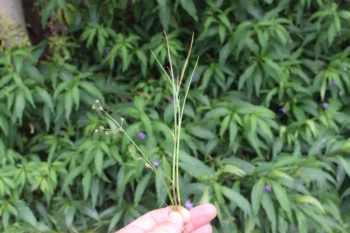
Bulbous Rush: A Wetland Specialist for Water Gardens
If you’re looking to create a bog garden or restore a wetland area, you might come across bulbous rush (Juncus bulbosus) in your research. This unassuming perennial rush brings a quiet, naturalistic charm to consistently wet areas where many other plants simply can’t survive.
What is Bulbous Rush?
Bulbous rush is a grass-like perennial that belongs to the rush family (Juncaceae). Also known by its synonym Juncus supinus, this small but hardy plant forms dense mats through underground rhizomes. While it won’t win any beauty contests with its inconspicuous appearance, it serves an important ecological function in wetland environments.
Native Status and Geographic Distribution
Here’s something important to know upfront: bulbous rush is not native to North America. Originally from Europe, this introduced species has established itself and reproduces spontaneously in the wild across several regions. You’ll find it growing in British Columbia, Nova Scotia, Massachusetts, Oregon, Washington, and Newfoundland.
- Species observed
- No observations
While it’s not listed as invasive, it’s worth considering native rush alternatives for your garden projects, especially if you’re focused on supporting local ecosystems.
Should You Plant Bulbous Rush?
The decision to plant bulbous rush really depends on your specific gardening goals and site conditions. Here are some factors to consider:
You might want to plant it if:
- You have a consistently wet area that needs stabilization
- You’re creating a constructed wetland or bog garden
- You need a low-maintenance plant for pond edges
- You’re looking for something that thrives in waterlogged conditions
You might want to skip it if:
- You prefer native plants that support local wildlife
- You’re looking for ornamental value or showy flowers
- Your site doesn’t have permanent moisture
- You want plants that provide significant pollinator benefits
Growing Conditions and Care
Bulbous rush is quite specific about its growing requirements, but once you meet them, it’s refreshingly low-maintenance.
Essential Growing Conditions:
- Moisture: Requires consistently wet to saturated soils year-round
- Light: Full sun to partial shade
- Soil: Tolerates various soil types as long as they remain wet
- Hardiness: Thrives in USDA zones 4-8
This plant has an Obligate Wetland status, meaning it almost always occurs in wetland conditions. Don’t expect it to survive in typical garden beds or areas that dry out seasonally.
Planting and Maintenance Tips
Getting bulbous rush established is straightforward if you have the right conditions:
- Plant in spring when the risk of hard frost has passed
- Ensure the planting site has permanent water or saturated soil
- Space plants 6-12 inches apart if you want faster coverage
- Once established, it spreads naturally through underground rhizomes
- Minimal fertilization needed – wetland soils typically provide adequate nutrients
- Cut back old growth in late fall or early spring if desired
Wildlife and Pollinator Benefits
While bulbous rush doesn’t offer much for pollinators (it’s wind-pollinated with tiny, inconspicuous flowers), it can provide some habitat value for wetland wildlife. However, native rush species would likely offer greater benefits to local ecosystems.
Native Alternatives to Consider
If you’re interested in supporting native biodiversity, consider these native rush alternatives depending on your region:
- Soft rush (Juncus effusus) – widely native across North America
- Baltic rush (Juncus balticus) – native to western and northern regions
- Path rush (Juncus tenuis) – native and adaptable to various conditions
The Bottom Line
Bulbous rush fills a specific niche for gardeners working with permanently wet conditions. While it’s not going to be the star of your garden, it’s a reliable, low-maintenance option for challenging wet sites. Just remember that choosing native alternatives when possible helps support local wildlife and maintains regional ecological integrity. If you do decide to plant bulbous rush, you’ll have a dependable wetland specialist that asks for little beyond consistently wet feet.