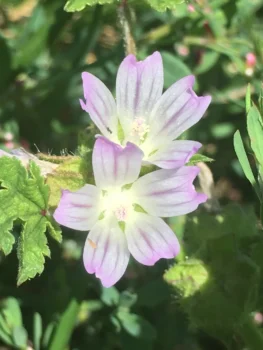
Bull Mallow: A Mediterranean Charmer for Your Garden
If you’ve ever spotted a cheerful little plant with heart-shaped leaves and delicate pink flowers growing along roadsides or in vacant lots, you might have encountered bull mallow (Malva nicaeensis). This unassuming member of the mallow family has quietly made itself at home in parts of North America, bringing a touch of Mediterranean charm wherever it grows.
What is Bull Mallow?
Bull mallow is an annual to biennial forb—that’s garden-speak for a non-woody herbaceous plant that completes its life cycle in one to two years. Originally from the Mediterranean region around Nice, France (hence its scientific name), this naturalized immigrant has established populations in California, Montana, and New Jersey. It’s also known by the synonym Malva arvensis, though bull mallow is its most widely recognized common name.
- Species observed
- No observations
Appearance and Garden Appeal
Don’t let the name bull fool you—there’s nothing aggressive about this plant’s appearance. Bull mallow typically grows as a low, spreading plant with distinctive heart-shaped to rounded leaves that have a soft, slightly fuzzy texture. The real stars are its small but abundant flowers, which range from pale pink to deeper purple-pink and appear throughout the growing season.
The plant has a somewhat sprawling, ground-hugging growth habit that makes it useful as an informal ground cover or gap-filler in naturalized areas. While it won’t win any awards for showiness, its cottage garden charm and ability to thrive in tough conditions give it a certain appeal for the right setting.
Should You Plant Bull Mallow?
This is where things get a bit complicated. Bull mallow isn’t native to North America, having been introduced from Europe. However, it’s not currently listed as invasive or noxious, which means it exists in that gray area of non-native plants that have naturalized without causing major ecological disruption.
If you’re focused on supporting native ecosystems and wildlife, you’d be better served by choosing native alternatives like:
- Wild bergamot (Monarda fistulosa) for pollinator appeal
- Native violets (Viola species) for similar heart-shaped leaves
- Local mallow species if available in your region
However, if you appreciate plants with a naturalized, cottage garden feel and don’t mind non-natives in your landscape, bull mallow can be a charming addition to informal areas.
Growing Bull Mallow Successfully
One of bull mallow’s greatest strengths is its adaptability. This plant thrives in USDA hardiness zones 7-10, though it may survive as an annual in slightly colder areas.
Ideal Growing Conditions
- Sunlight: Full sun to partial shade
- Soil: Tolerates poor, disturbed soils; actually prefers lean conditions over rich garden soil
- Water: Drought tolerant once established, though benefits from occasional watering during dry spells
- pH: Adaptable to various soil pH levels
Planting and Care Tips
Bull mallow is refreshingly low-maintenance. It readily self-seeds, so you may find new plants appearing around the original without any effort on your part. This can be either a blessing or a curse, depending on your garden goals.
The plant performs best when treated with benign neglect—too much fertilizer or water can actually make it grow too lush and reduce flowering. If you want to control its spread, deadhead flowers before they set seed, though this will reduce its naturalized charm.
Wildlife and Pollinator Benefits
While bull mallow isn’t native, it does provide some benefits to pollinators. Bees, butterflies, and other small insects visit its flowers for nectar, though the benefits aren’t as significant as those provided by co-evolved native plants. The seeds may also provide food for some birds.
The Bottom Line
Bull mallow occupies an interesting niche in the gardening world—it’s not native, but it’s not particularly problematic either. If you already have it growing on your property, there’s no urgent need to remove it, and you might even learn to appreciate its understated charm. If you’re planning new plantings, consider native alternatives first, but don’t feel guilty if you decide to give this Mediterranean wanderer a spot in your garden’s more relaxed corners.
After all, sometimes the most interesting gardens are those that tell stories—including tales of plants that have traveled far from home to find new places to call their own.