Bur Bristlegrass: What Every Gardener Should Know About This Introduced Grass
If you’ve ever noticed a somewhat scraggly grass with bristly, burr-like seed heads popping up in your garden beds or along pathways, you’ve likely encountered bur bristlegrass (Setaria adhaerens). This annual grass might not win any beauty contests, but it’s certainly made itself at home across much of the United States.
What Exactly Is Bur Bristlegrass?
Bur bristlegrass is an annual grass that belongs to the same family as more familiar grasses like corn and wheat. As a graminoid (that’s botanist-speak for grass-like plants), it shares characteristics with other members of the grass family, including narrow leaves and wind-pollinated flowers arranged in distinctive bristly clusters.
You might also see this plant referred to by its scientific synonyms, including Panicum adhaerens or Pennisetum respiciens, though Setaria adhaerens is the currently accepted name.
Where You’ll Find It Growing
Originally from Africa and Asia, bur bristlegrass has established itself as a non-native species across several U.S. states. You can find it growing wild in Alabama, Arizona, Florida, Louisiana, New Mexico, Oregon, Pennsylvania, and Texas. As an introduced species that reproduces on its own, it’s managed to spread and persist without human help.
- Species observed
- No observations
Habitat Preferences: It’s Not Picky
One reason bur bristlegrass has been so successful is its adaptability. This grass typically thrives in upland areas and rarely ventures into wetland habitats. Across most regions where it grows, it’s classified as Obligate Upland, meaning you’ll almost never find it in wet areas. Only in the arid western regions does it occasionally tolerate slightly wetter conditions.
What Does It Look Like?
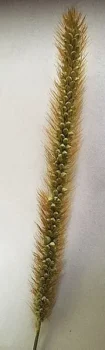
Bur bristlegrass is a relatively modest annual grass, typically reaching 1-3 feet in height with a clumping growth habit. Its most distinctive feature is its seed heads – bristly, burr-like clusters that give the plant its common name. These seed heads can be somewhat adhesive (hence adhaerens, which means sticking to), making them effective at hitchhiking on clothing, fur, and equipment.
Should You Plant Bur Bristlegrass?
Here’s where things get interesting. While bur bristlegrass isn’t considered invasive or particularly harmful, it’s also not exactly what most gardeners would call ornamental. Its aesthetic appeal is limited, and it doesn’t offer significant benefits to pollinators since it’s wind-pollinated rather than insect-pollinated.
If you’re looking to add grasses to your landscape, you’d be better served by choosing native alternatives that provide greater wildlife value and visual appeal. Consider these native grass options instead:
- Little bluestem for prairie-style gardens
- Buffalo grass for drought-tolerant lawns
- Native sedges for wet areas
- Regional native bunch grasses for naturalized landscapes
Managing Bur Bristlegrass in Your Garden
If bur bristlegrass shows up uninvited in your garden (which it probably will at some point), management is fairly straightforward. As an annual, it completes its entire life cycle in one growing season, so preventing seed production is key.
Here are some management tips:
- Hand-pull young plants before they set seed
- Mow or cut mature plants before seed heads fully develop
- Maintain healthy, dense plantings of desired plants to outcompete seedlings
- Mulch garden beds to suppress germination
The Bottom Line
While bur bristlegrass isn’t a garden villain, it’s not exactly a hero either. This adaptable annual grass is likely to show up in gardens across its range whether you invite it or not. Understanding its growth habits and preferences can help you manage it effectively while making room for more desirable native plants that will better serve your local ecosystem.
Remember, every plant has its place in the broader ecological picture, even if that place isn’t necessarily in your carefully curated garden beds!