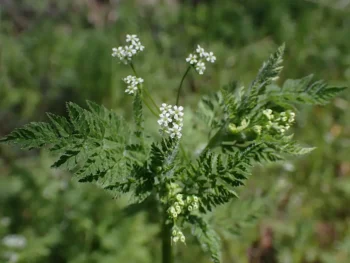
Bur Chervil: A Humble Annual with Mixed Garden Potential
Meet bur chervil (Anthriscus caucalis), a modest little annual that you’ve probably walked past dozens of times without giving it a second glance. This unassuming member of the carrot family might not win any beauty contests, but it has a fascinating story and some surprising qualities that make it worth knowing about.
What Exactly Is Bur Chervil?
Bur chervil is an annual forb, which is just a fancy way of saying it’s a non-woody plant that completes its entire life cycle in one growing season. Originally hailing from the Mediterranean region and parts of Europe and western Asia, this little globe-trotter has made itself at home across much of North America as a non-native species that arrived sometime in the past and decided to stay.
You might also see it referred to by its botanical synonyms Anthriscus neglecta or Anthriscus scandicina in older gardening references, but Anthriscus caucalis is the name that stuck.
Where You’ll Find It Growing
This adaptable annual has spread across an impressive range of North American territory. You can spot bur chervil growing wild in British Columbia and Ontario in Canada, and throughout many U.S. states including Arizona, Arkansas, California, Delaware, Georgia, Idaho, Illinois, Indiana, Louisiana, Missouri, Nebraska, New Jersey, New York, North Carolina, Ohio, Oklahoma, Oregon, South Carolina, Tennessee, Virginia, Washington, West Virginia, and Wyoming.
- Species observed
- No observations
What Does It Look Like?
Bur chervil is delicate and unobtrusive, typically growing as a small, fine-textured plant. Its claim to fame (and the source of its common name) comes from its distinctive fruits, which develop into small, rough, bur-like structures that easily catch onto clothing and animal fur. The tiny white flowers appear in small, umbrella-shaped clusters called umbels, giving it that classic carrot-family appearance.
Should You Plant Bur Chervil in Your Garden?
Here’s where things get interesting. While bur chervil isn’t necessarily harmful to grow, it’s not typically something gardeners seek out either. Since it’s a non-native species, there are some considerations to keep in mind:
The Case Against Growing It:
- Limited ornamental value compared to native alternatives
- Can self-seed aggressively and spread beyond where you want it
- Doesn’t provide the same ecosystem benefits as native plants
- Often considered more of a weed than a desirable garden plant
The Case for Tolerating It:
- Requires absolutely no care once established
- Tolerates poor soils and difficult growing conditions
- May provide some minor pollinator benefits to small insects
- Interesting for plant enthusiasts who enjoy observing naturalized species
Growing Conditions and Care
If you do decide to work with bur chervil (or if it decides to work with you!), you’ll find it remarkably undemanding. This hardy little annual thrives in:
- Full sun to partial shade
- Poor to average soils
- Disturbed areas like roadsides and waste spaces
- USDA hardiness zones 3-9
The plant essentially takes care of itself, self-sowing readily and requiring no supplemental watering, fertilizing, or fussing. In fact, too much attention might actually discourage it!
Better Native Alternatives
If you’re drawn to the delicate, umbel-flowered aesthetic that bur chervil provides, consider these native alternatives that offer similar charm with greater ecological benefits:
- Wild bergamot (Monarda fistulosa) for pollinator-friendly flowers
- Golden Alexanders (Zizia aurea) for that classic umbel look
- Wild carrot relatives native to your specific region
The Bottom Line
Bur chervil sits in that interesting category of plants that aren’t necessarily garden stars but aren’t garden villains either. While it’s not invasive or harmful, its non-native status and limited ornamental value mean it’s generally better to focus your gardening energy on native species that provide greater benefits to local ecosystems.
If you already have bur chervil growing on your property, there’s no urgent need to remove it, but consider gradually replacing it with native alternatives as opportunities arise. Your local pollinators and wildlife will thank you for the upgrade!