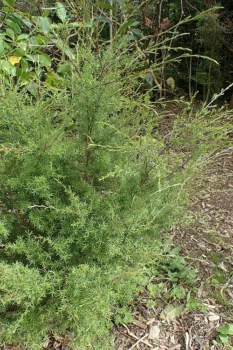
Burgan (Kunzea ericoides): A Hardy Flowering Shrub for Low-Maintenance Gardens
If you’re looking for a tough, flowering plant that can handle challenging conditions while providing year-round interest, burgan might just be your new garden friend. Also known as white teatree, this resilient perennial has made itself at home in Hawaii despite its New Zealand origins, and it’s easy to see why gardeners appreciate its no-fuss nature.
What is Burgan?
Burgan (Kunzea ericoides) is a woody perennial that can grow as either a large shrub or small tree, typically reaching 4-5 meters (13-16 feet) in height, though it sometimes stays shorter and develops multiple stems depending on growing conditions. You might also hear it called white teatree, and botanically speaking, it has had a few name changes over the years—it was previously known as Kunzea peduncularis and Leptospermum ericoides.
Where Does Burgan Grow?
Originally native to New Zealand, burgan has established itself in Hawaii, where it grows and reproduces naturally without human intervention. It’s what botanists call a facultative upland plant, meaning it usually prefers non-wetland areas but can occasionally tolerate wetter conditions.
- Species observed
- No observations
Why Consider Burgan for Your Garden?
Burgan brings several appealing qualities to the landscape:
- Beautiful blooms: Dense clusters of small, white to cream-colored flowers create a stunning display
- Attractive foliage: Small, needle-like leaves give the plant a fine-textured appearance
- Graceful form: Often develops an attractive weeping or drooping growth habit
- Pollinator magnet: The abundant flowers attract bees, butterflies, and other beneficial insects
- Low maintenance: Once established, it’s quite drought tolerant and requires minimal care
Garden Design Applications
Burgan works well in several landscape scenarios:
- Specimen plant for focal interest
- Windbreak or screen planting
- Erosion control on slopes
- Coastal gardens (tolerates salt spray)
- Mediterranean-style landscapes
- Low-maintenance garden borders
Growing Conditions and Care
One of burgan’s best features is how adaptable it is to different growing conditions. Here’s what it needs to thrive:
- Sunlight: Full sun to partial shade
- Soil: Well-draining soil; tolerates poor soils
- Water: Drought tolerant once established, though regular water helps during establishment
- Climate: Best suited for USDA hardiness zones 9-11
- Maintenance: Minimal pruning needed; mainly remove dead or damaged branches
Planting and Care Tips
Getting burgan established in your garden is straightforward:
- Plant in well-draining soil to prevent root rot
- Water regularly during the first year to help roots establish
- Once established, it can handle periods of drought
- Light pruning after flowering can help maintain shape
- Watch for self-seeding, as burgan can spread naturally
A Note About Native Alternatives
While burgan is a lovely and well-behaved plant in Hawaiian gardens, you might also consider native Hawaiian plants that provide similar benefits. Native alternatives can offer even better support for local wildlife and help preserve Hawaii’s unique ecosystem. Consider consulting with local native plant societies or extension services for recommendations specific to your area.
The Bottom Line
Burgan offers gardeners a reliable, attractive option for landscapes that need a tough, flowering plant. Its beautiful blooms, low maintenance requirements, and adaptability to various conditions make it a practical choice for many garden situations. Just remember that since it can self-seed, you’ll want to keep an eye on any volunteer seedlings if you prefer to keep it contained to specific areas of your garden.