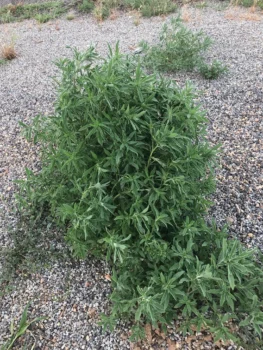
Burningbush (Bassia scoparia): A Cautionary Tale for Gardeners
If you’ve ever admired those neat, compact plants with feathery foliage that turn brilliant red in fall, you’ve likely encountered burningbush. Also known by several other names including kochia, Mexican fireweed, and mock cypress, this annual plant might seem like an attractive addition to your garden. However, there’s more to this story than meets the eye.
What Is Burningbush?
Burningbush (Bassia scoparia) is a fast-growing annual plant that can reach nearly 5 feet in height. Despite its appealing common names and ornamental qualities, this species is actually a non-native plant that has established itself across most of North America. Originally from central and eastern Europe and central Asia, burningbush has spread far beyond its native range and now reproduces spontaneously in the wild without human assistance.
Where You’ll Find It Growing
This adaptable plant has made itself at home across an impressive range of territories. You can find burningbush established in most Canadian provinces including Alberta, British Columbia, Manitoba, New Brunswick, Ontario, Quebec, and Saskatchewan. In the United States, it’s present in nearly every state from coast to coast, spanning from Arizona and California to Maine and Florida.
- Species observed
- No observations
The Invasive Reality
Here’s where the story takes a concerning turn. While burningbush might look harmless or even attractive, it’s been classified as Potentially Invasive, Prohibited in Connecticut, and its widespread distribution across North America tells a troubling tale of ecological disruption. This plant’s ability to reproduce spontaneously and persist in wild areas means it can outcompete native species and alter natural ecosystems.
Our recommendation: Don’t plant burningbush in your garden. Instead, consider these beautiful native alternatives that provide similar benefits without the ecological risks.
Native Alternatives to Consider
If you’re drawn to burningbush for its fall color and texture, try these native options instead:
- Little bluestem grass – provides beautiful orange-red fall color
- Summersweet (Clethra alnifolia) – offers fragrant flowers and yellow fall foliage
- Ninebark (Physocarpus opulifolius) – delivers interesting seed heads and fall color
- Native asters and goldenrods – provide late-season color and support pollinators
Understanding Burningbush’s Growing Habits
Part of what makes burningbush problematic is how well it adapts to various conditions. This annual plant thrives in:
- Full sun locations (shade intolerant)
- A wide range of soil pH (4.0 to 8.0)
- Both coarse and medium-textured soils
- Low moisture and low fertility conditions
- Drought conditions once established
- Areas with minimal annual precipitation (10-40 inches)
The plant produces abundant seeds from summer through fall, with over 500,000 seeds per pound. These seeds have high vigor and moderate spread rates, contributing to the species’ invasive potential.
Physical Characteristics
Burningbush grows as a single-stemmed annual with an erect, somewhat pyramidal shape. Key features include:
- Height: Up to 5 feet at maturity
- Foliage: Fine-textured, dense green leaves that turn red-orange in fall
- Flowers: Small, inconspicuous green flowers in summer
- Growth rate: Moderate, with active growth in spring and summer
- Seeds: Small brown seeds that aren’t particularly conspicuous
Environmental Impact
While burningbush produces abundant seeds, it offers little to no benefit for pollinators since it’s wind-pollinated. The plant doesn’t provide significant wildlife benefits and can actually displace native species that do support local ecosystems. Its adaptability to various soil and moisture conditions allows it to establish in diverse habitats, from agricultural areas to natural grasslands.
The Bottom Line
Though burningbush might seem like an easy-care, attractive annual for your garden, its invasive nature and negative impact on native ecosystems make it a plant to avoid. Instead, embrace the beauty and ecological benefits of native alternatives that provide similar aesthetic appeal while supporting local wildlife and maintaining the health of natural areas.
Remember, every plant choice we make in our gardens has the potential to impact the broader landscape. By choosing native alternatives to invasive species like burningbush, we can create beautiful spaces that work in harmony with nature rather than against it.